
R ARIVANANTHAM
CHENNAI, NOV 5
A journey from Russia to Chennai in search of a life-saving lung transplant has ended in an extraordinary medical turnaround for a 15-month-old baby boy. In a remarkable feat of lung-preserving treatment, specialists at MGM Healthcare have helped the toddler recover from severe respiratory complications without having to undergo the complex and irreversible transplantation procedure for which he was originally brought to India.
- MGM Healthcare’s specialist team reverses severe respiratory complications in a rare, life-threatening medical case
- Russian toddler airlifted to Chennai for bilateral lung transplantation following recurrent lung collapses
- A series of complex, lung-preserving surgical interventions helps the child’s own lungs recover
- Five-month multidisciplinary battle involving critical care, thoracic surgery and paediatric specialists proves decisive
- Doctors stress importance of continuous reassessment before undertaking an irreversible procedure such as transplantation
The achievement is particularly significant because the child was battling multisystem Langerhans cell histiocytosis (LCH), a rare disorder involving the abnormal multiplication and accumulation of Langerhans cells in different organs. Its severe pulmonary manifestations had resulted in extensive cystic lung disease, recurrent bilateral lung collapses and progressive respiratory failure.
Airlifted from Russia and admitted to MGM Healthcare for a proposed bilateral lung transplant, the infant underwent a carefully planned sequence of surgical interventions, intensive supportive treatment and prolonged multidisciplinary monitoring. The medical team’s decision to explore every viable lung-preserving option before proceeding with transplantation ultimately changed the course of his treatment.
A high-risk case, a different clinical approach
The child arrived with extensive lung damage, recurrent bilateral pneumothorax (air accumulation in the space surrounding the lungs, causing them to collapse) and serious breathing difficulties.
Considering the severity of the condition, bilateral lung transplantation was initially contemplated. However, the specialists opted for a comprehensive reassessment of the child’s clinical condition and explored whether the native lungs could be salvaged through targeted surgical procedures and supportive care.
The treatment involved bullectomy, aimed at removing large air-filled spaces within the lungs, repeated chest-drain procedures to evacuate trapped air and facilitate lung re-expansion, and thoracoscopic atypical lung resection, a minimally invasive procedure to remove a diseased portion of lung tissue without removing an entire lobe.
These interventions, supported by intensive monitoring and multidisciplinary care, produced a significant improvement in the child’s respiratory condition. His own lungs recovered sufficiently, eliminating the need for transplantation. The baby is now doing well.
Five months of intensive, multidisciplinary care
The treatment journey extended from May to September 2026, involving a prolonged hospital stay and several critical interventions.
The child required mechanical ventilation, multiple intercostal drains, advanced imaging, invasive monitoring, intensive care support and repeated surgical procedures.
The multidisciplinary team brought together specialists in cardiac critical care, haematology and haemato-oncology, paediatric pulmonology and surgery, infectious diseases, neurology, urology, dermatology, ENT, thoracic surgery and lung transplantation, alongside physician assistants and intensive care unit personnel.
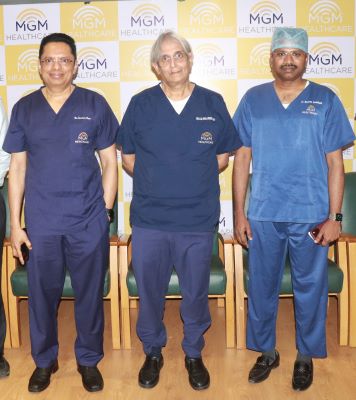
The team was led by Dr K. R. Balakrishnan, Director, Institute of Heart and Lung Transplant and Mechanical Circulatory Support, and Dr Suresh Rao K. G., Co-director of the Institute of Heart and Lung Transplant and Mechanical Circulatory Support and Cardiac Critical Care.
Why avoiding transplantation mattered
Explaining the clinical complexities of the case, Dr Balakrishnan said,
“Multisystem LCH is a rare disorder in which abnormal cells can accumulate in different organs. When LCH affects the lungs, it can cause cystic changes and serious respiratory complications, sometimes necessitating consideration of lung transplantation. However, the course of pulmonary LCH can be unpredictable, and some children with severe lung involvement may recover with appropriate medical and supportive care. This case underscores the importance of continuous clinical reassessment and multidisciplinary decision-making before proceeding with an irreversible intervention such as lung transplantation.”
Dr Suresh Rao highlighted the significance of the child’s response to treatment and the importance of preserving the native lungs wherever clinically possible.
“Given the severity of the child’s lung condition, transplantation was a serious consideration. However, the child’s remarkable response to medical management and the recovery of the native lungs allowed us to avoid transplantation. For a child who had travelled all the way from Russia with the possibility of a lung transplant, this was an exceptionally gratifying outcome. It reinforces the principle that knowing when to proceed with transplantation is as important as having the expertise to perform it,” he said.
The successful outcome underscores the importance of individualised treatment strategies, multidisciplinary expertise and the willingness to reassess even the most serious clinical decisions as a patient’s condition evolves.
For the little boy and his family, what began as an international medical journey in search of a new set of lungs has culminated in the recovery of his own. For Chennai’s medical community, the case stands out as a compelling demonstration of how advanced surgical capabilities, critical care and sound clinical judgement can come together to deliver a life-changing outcome.