
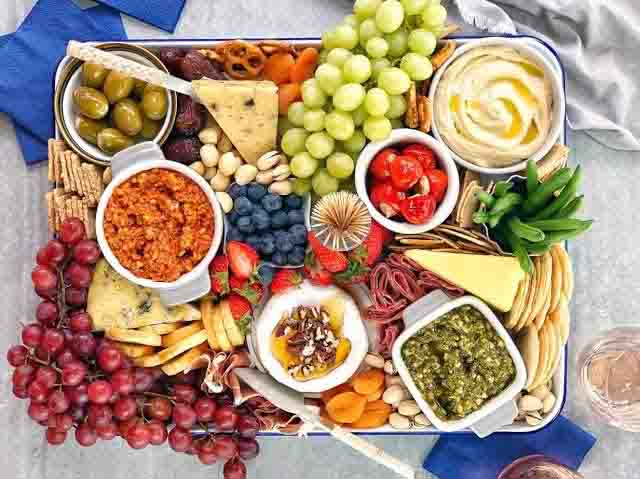
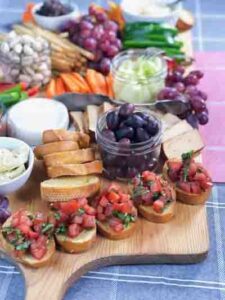
- Beyond Buffets, Into Experiential Dining: The grazing table is redefining how guests eat, mingle and celebrate at social gatherings.
- An Edible Landscape of Abundance: Artfully arranged cheeses, fruits, breads, savouries and desserts turn an ordinary table into a culinary spectacle.
- From Australia to India: A global food trend is finding its way into weddings, festivals, corporate events and intimate house parties.
- 20 Themes, Countless Possibilities: From Indian fusion and Mumbai street food to Japanese, Mediterranean and Mexican spreads, creativity knows no boundaries.
- The Indian Makeover: Chaat, mini dosas, paneer tikka, regional delicacies and traditional sweets add a distinctive desi identity.
- The Celebrity Chef’s Mantra: Variety, visual appeal, convenience and guests’ preferences hold the key to an unforgettable grazing experience.
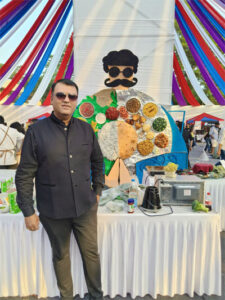
CELEBRITY MASTER CHEF DR KAVIRAJ KHIALANI
A feast need not begin with a formal invitation to sit down, nor should culinary indulgence be restricted to conventional buffet counters. Imagine an entire table transformed into an edible landscape of colours, textures, aromas and flavours, where guests become explorers, conversations flow freely and every little bite reveals a new culinary surprise. Welcome to the fascinating world of the Grazing Table — a global food presentation trend that is turning dining into an experience, entertaining into an art form and food into the centrepiece of celebrations!
What makes this concept particularly exciting is its ability to bring together visual extravagance and relaxed hospitality. Instead of waiting for a plated course or standing in a conventional buffet queue, guests can wander around, discover their favourite delicacies, sample different combinations and return for another helping whenever they please.
Originally gaining popularity in Australia, the grazing-table concept has travelled across international culinary circuits and is increasingly attracting attention in India’s premium hospitality, wedding and social-event segments. It offers an interesting alternative to elaborate buffets, particularly for intimate gatherings where presentation, interaction and convenience matter as much as the food itself.
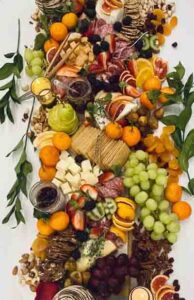
What exactly is a grazing table?
Think of a traditional charcuterie board magnified to an entire dining table or kitchen island. That is essentially a grazing table!
The spread is arranged directly on food-safe butcher paper, parchment or butter paper, complemented by wooden boards, marble slabs, tiered stands and elevated platters. Large anchoring elements are placed first, followed by carefully arranged cheeses, breads, crackers, fruits, dips, savouries, nuts and sweet treats.
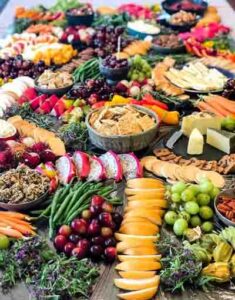
The result is an abundant, visually striking display that encourages guests to graze throughout an event rather than consume a conventional, structured meal.
As the concept evolved, it moved beyond its original cheese-and-charcuterie identity. Today, almost any cuisine can be adapted into a grazing experience, provided the dishes are convenient to serve, easy to eat and visually appealing.
The trend also gained momentum during the pandemic lockdown period, when people increasingly sought distinctive yet intimate ways of entertaining family and friends.
Why grazing tables are becoming the talk of the town
A grazing table is not simply a collection of snacks placed together. It is a carefully curated culinary presentation in which abundance, arrangement and accessibility work together.
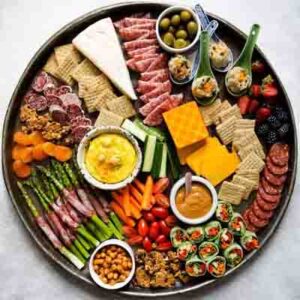
Its principal attractions include:
- Visual extravagance: Different heights, colours, textures and arrangements create an edible art installation.
- Relaxed dining: Guests can approach the table from different directions and enjoy food at their own pace.
- Continuous indulgence: The spread encourages repeated visits and opportunities to discover new flavours.
- Unrestricted variety: From cheeses and fruits to Indian street food and international appetisers, the possibilities are virtually limitless.
- Social interaction: Food becomes a natural conversation starter, encouraging guests to mingle and connect.
The grazing table is also highly photogenic, making it particularly attractive for contemporary celebrations and social-media-friendly events.
The essential ingredients of a perfect grazing table
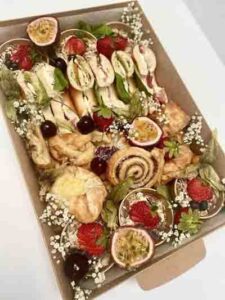
The secret lies in achieving a balance of flavours, colours, textures and portions.
Cheese selection: Include a combination of soft, semi-soft, hard, crumbly and aged varieties. Parmesan, mozzarella, feta, Gouda and Emmental are popular international choices.
Charcuterie: Prosciutto, salami, mortadella, ham and other cured meats can provide a European-inspired touch.
Fresh and dried produce: Grapes, strawberries, oranges, figs, berries, apricots and dates add freshness, natural sweetness and colour.
Breads and crackers: Artisanal loaves, baguettes, breadsticks, cheese straws, crackers and locally inspired alternatives provide the foundation.
Accompaniments: Nuts, olives, pickles, jams, honey, preserves and a selection of dips complete the arrangement.
For a more adventurous presentation, consider gourmet filo parcels, prawn tacos, tandoori quiches and bite-sized meatballs.
A finishing touch of fresh flowers, foliage and carefully positioned decorative elements can elevate the entire display. However, decorations must remain separate from food-contact surfaces.
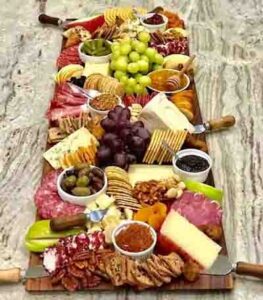
Grazing: A delicious seven-letter formula!
For those discovering this relatively new culinary presentation concept, here is a playful interpretation of the word GRAZING:
- G – Gorgeous: An eye-catching presentation.
- R – Ravishing: Food that appeals to the senses.
- A – Admirable: A display that reflects thoughtful planning.
- Z – Zealous: Passion and enthusiasm in every detail.
- I – Interesting: Surprising combinations and exciting discoveries.
- N – Nostalgic: Familiar flavours that evoke memories.
- G – Goodness: Quality ingredients and delightful indulgence.
This may not be a formal culinary definition, but it captures the spirit of the grazing-table experience beautifully!
India’s desi makeover: From chaat to global gourmet
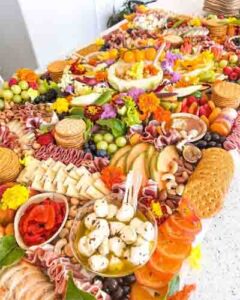
India’s culinary diversity offers an extraordinary opportunity to reinterpret grazing tables.
A traditional European-style spread can be transformed into a vibrant Indian fusion experience by incorporating regional delicacies, street-food favourites, traditional sweets and contemporary appetisers.
Imagine a table featuring:
- Chaat corner: Pani puri shots, sev puri, dahi puri and bhel cones.
- Tandoor corner: Paneer tikka, tandoori mushrooms and seekh kebabs with mint-yoghurt dip.
- Breads and crisps: Kulcha, thepla, khakhra crisps, papad and naan chips.
- Pickles and cheese: Cheddar with lime-pickle jam, achari paneer and hung-curd labneh balls.
- Mini mains: Pav bhaji cups, mini dosas, biryani arancini and dal makhani risotto cups.
- Mithai and desserts: Jalebi, gulab jamun cheesecake cups, rasmalai tiramisu and masala chai brownies.
- Crunchy accompaniments: Masala nuts, spiced popcorn and chikki bark.
The Indian identity can be further enhanced through brass and copper serving accessories, terracotta bowls, banana leaves, thali-inspired plates, marigold flowers, diyas and rangoli-inspired table runners.
Small menu cards explaining the regional origin of dishes can add an educational and cultural dimension to the experience.
For cost-conscious arrangements, locally available ingredients such as paneer, hung curd, processed cheddar and regional produce can provide excellent alternatives to expensive imported ingredients.
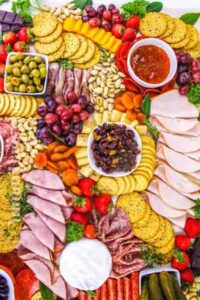
20 themes that can transform your grazing table
The beauty of this concept is that it can be adapted to practically every cuisine, occasion and culinary preference.
| Theme | Suggested delicacies |
| 1. Indian Fusion | Chaat, kebabs, mithai |
| 2. Thai Street Food | Satay, spring rolls, mango sticky rice |
| 3. Mexican Fiesta | Nachos, mini tacos, churros |
| 4. Singaporean Hawker | Satay, chilli-crab bites, kaya toast |
| 5. Italian Antipasto | Bruschetta, olives, mini pizzas, tiramisu |
| 6. Middle Eastern Mezze | Hummus, falafel, pita, baklava |
| 7. Mediterranean | Olives, grilled vegetables, feta, dips |
| 8. Japanese Izakaya | Sushi, gyoza, edamame, mochi |
| 9. Korean Street Food | Korean-inspired bite-sized savouries |
| 10. Spanish Tapas | Patatas bravas, tortilla bites, jamón |
| 11. French Patisserie | Tartlets, Brie, macarons |
| 12. Lebanese Feast | Mezze, kebabs, flatbreads |
| 13. Pan-Asian Dim Sum | Dumplings, bao, spring rolls |
| 14. Mumbai Street Food | Vada pav, pav bhaji, bhel |
| 15. Royal Rajasthani/Mughlai | Kebabs, biryani cups, shahi tukda |
| 16. Festival Special | Laddoos, chakli, kaju katli, namkeen |
| 17. Brunch | Mini dosas, parathas, pancakes, fruits |
| 18. Dessert and Chocolate | Brownies, truffles, cupcakes |
| 19. Healthy and Millet | Ragi, jowar, vegan dips, fresh fruits |
| 20. Seafood and Coastal | Konkan, Goan and Kerala delicacies |
The themes can be further customised according to the occasion, guest profile, dietary requirements and available budget.
Ten international cuisines that fit the concept beautifully
Almost every cuisine can find a place on a grazing table. Some particularly versatile options include:
- Indian: Chaat, kebabs, mini samosas and mithai.
- Italian: Bruschetta, arancini and mini pizzas.
- Mediterranean: Olives, hummus, grilled vegetables and feta.
- Middle Eastern: Falafel, shawarma bites and baklava.
- Mexican: Nachos, guacamole and taquitos.
- Thai: Satay, spring rolls and curry cups.
- Japanese: Sushi, tempura and gyoza.
- Chinese and Indo-Chinese: Momos, spring rolls and Manchurian bites.
- French: Cheese, tartlets, pâté and éclairs.
- Spanish: Tapas, croquetas and churros.
The golden rule is to select dishes that are bite-sized, easy to handle and suitable for the planned service period. Saucy preparations are best served in individual cups, cones or tasting spoons.
For Indian gatherings, vegetarian, non-vegetarian and Jain preparations should be clearly separated and labelled. Food safety, temperature control and replenishment are equally important, particularly when the spread remains accessible for an extended period.
Ten crowd-pleasing favourites for the perfect spread
A thoughtfully designed grazing table can include:
- Cheese and charcuterie, with paneer and cheddar as economical alternatives.
- Hummus, guacamole, tzatziki and mint chutney.
- Baguettes, breadsticks, khakhra and papad.
- Fresh and dried fruits such as grapes, melon, figs and dates.
- Olives, nuts and pickles.
- Fresh vegetable crudités with dips.
- Mini sandwiches, bruschetta and sliders.
- Dumplings, spring rolls and sushi.
- Mini tarts, cupcakes and macarons.
- Brownies, cookies and chocolate-dipped fruits.
The combination of fruits, vegetables, breads and sweets adds colour and volume while providing guests with a satisfying range of flavours.
How to design a grazing table for different occasions
The versatility of grazing tables makes them suitable for practically every social and professional gathering.
- Kitty parties: A chaat-and-mocktail arrangement or an assortment of snacks and desserts encourages leisurely conversations.
- High teas: Mini sandwiches, scones, traditional sweets and tea-flavoured desserts can be displayed on elegant tiered stands.
- Dinner and cocktail evenings: A more substantial arrangement can serve as the principal food offering. A suggested planning guide when the table replaces the entire meal is approximately 230–280 grams of food per guest.
- Weddings, sangeets and mehndi: Grazing tables make attractive welcome displays, cocktail-hour spreads and late-night snack counters.
- Festivals: Diwali, Ganesh Chaturthi, Christmas and Eid can inspire specially curated festive tables and gifting hampers.
- Corporate events: Branded food zones, miniature menu cards and cuisine-specific displays add an engaging hospitality dimension.
- Birthdays and baby showers: Theme-based savoury and dessert tables can be designed for different age groups.
- Brunches and picnics: Mini dosas, parathas, fruits and juices offer a relaxed dining experience.
- Gifting: Individual grazing boxes make distinctive presents for hosts and special occasions.
Three signature menu ideas to get you started
ARTISANAL CHEESE AND CHARCUTERIE
European-inspired gourmet experience
- Brie, aged Gouda and English Stilton
- Prosciutto, salami and smoked chorizo
- French baguettes, crackers and breadsticks
- Red grapes, figs, pears and olives
- Fig jam, honey, almonds and walnuts
A sophisticated selection for premium cocktail evenings and intimate celebrations.
MEDITERRANEAN MEZZE
Fresh, colourful and vegetarian-friendly
- Hummus, tzatziki and baba ganoush
- Falafel, bruschetta and spinach pastries
- Pita bread, flatbread and crackers
- Cucumber, cherry tomatoes and bell peppers
- Feta, olives, nuts and dried apricots
An excellent choice for guests who enjoy lighter, vegetable-forward flavours.
ARTISAN DESSERT SALON AND PÂTISSERIE
A luxurious celebration of sweet indulgence
- Mini éclairs, croissants and fruit tarts
- Mini cheesecakes and chocolate cake bites
- Macarons, chocolate truffles and pralines
- Brownies, cookies and mini cupcakes
- Fresh berries, chocolate sauce and caramel sauce
An irresistible centrepiece for birthdays, weddings, high teas and festive celebrations.
The chef’s final word: Let every guest discover their own delight!
As food lovers, we are always enthusiastic about exploring new culinary ideas, innovative presentations and exciting ways of entertaining. Concepts that offer something different gradually find their own audience, earn appreciation and become part of evolving hospitality trends.
The grazing table is certainly emerging as one such exciting addition to contemporary celebrations, social gatherings and premium hospitality settings.
However, the success of a beautifully designed spread should never be judged by appearance alone. Food preferences differ from guest to guest, and what delights one person may not necessarily appeal to another.
My advice is to plan every grazing table around three essential principles: convenience, variety and guest preference. Give equal importance to presentation, food quality, hygiene, dietary choices and sensible portion planning.
Above all, remember that the purpose of food is to bring people together. A thoughtfully curated grazing table can do precisely that — transforming an ordinary gathering into a memorable culinary celebration.
Happy Grazing!