
NE YOUTH & HEALTH BUREAU
CHENNAI, NOV 15
What happens when adults stop speaking about young people and start listening to them? The answer unfolded in Chennai, where more than 250 students, experts and adult changemakers came together for an unprecedented two-day dialogue that placed young people’s experiences, anxieties and aspirations at the centre of India’s youth safety and wellbeing agenda. The larger ambition: to transform their voices into actionable recommendations for families, educational institutions and policymakers through India’s first co-created White Paper on Youth Safety and Wellbeing.
- A GENERATIONAL BRIDGE: NextGen Forum brings together over 250 students and 25-plus experts from 15 sectors to translate young people’s concerns into actionable recommendations.
- YOUTH VOICES, POLICY CHOICES: Students aged 11–17 speak candidly about privacy, stereotypes, independence, trust and the pressures of growing up.
- BEYOND CONVENTIONAL CONFERENCES: Mock tribunals, open mics, interactive labs and real-life scenarios expose the warning signs adults often overlook.
- FROM CONVERSATION TO COMMITMENT: The Kindness Foundation to compile India’s first co-created White Paper on Youth Safety and Wellbeing around five key pillars.
- PREVENTION BEFORE CRISIS: Dr Shriram Nene underscores the importance of preventive healthcare, emotional wellbeing and healthy habits from an early age.
The NextGen Forum, held on November 13 and 14, brought together over 200 students aged 11–17 from more than 20 schools, alongside over 25 experts and a wider cross-section of parents, educators, counsellors, mental health professionals, legal and law enforcement representatives, policymakers, youth advocates and young achievers.
Organised by The Kindness Foundation, the conclave sought to bridge the generational divide through meaningful conversations, interactive engagements and practical explorations of the challenges confronting today’s young people.
The deliberations will form the foundation of a landmark White Paper, incorporating perspectives from young people and practitioners across 15 sectors, structured around five key pillars. The document is expected to translate the discussions into practical recommendations for those responsible for creating safer, healthier and more supportive environments for children and adolescents.
Giving young people the first word
The forum’s engagement began even before the conclave, with participating schools conducting pre-event activities that encouraged students to articulate their understanding of safety and wellbeing through creative expression.
Essay writing, filmmaking, the ‘This Is My World’ photography initiative and safety poster-making provided different platforms for young participants to communicate their concerns and perspectives.
The entries were evaluated by Dr Namita Jacob, Shalini Ajith Kumar, Srivatsan Sankaran and Dr Shekhar Seshadri, respectively.
The first day was devoted entirely to students. At the NextGen Lab, participants explored their emotions, strengths and personal experiences through art, clay modelling, mood cards and collaborative activities.
A dedicated Digital Safety session familiarised them with emerging cyber threats, phishing and the importance of safeguards such as two-factor authentication.
The Student Town Hall and Open Mic sessions provided a more direct platform for young people to speak their minds. Privacy, freedom from stereotypes, greater trust and the independence to make decisions emerged as recurring concerns.
Young competitive sailor Shreya Krishna also shared her experiences of navigating the demanding world of elite sport while dealing with the pressures and expectations of teenage life.
When warning signs go unnoticed
The second day brought approximately 250 participants together for an intensive examination of the challenges facing young people and the interventions needed to address them.
Moving away from conventional conference speeches, the programme employed interactive formats, simulated situations and real-life scenarios to encourage deeper engagement.
One of the key sessions, ‘Case Files: The Missed Signal’, took the form of a moderated mock tribunal examining how warning signs in a young person’s life frequently escape the attention of adults and institutions.
The panel featured Justice Prabha Sridevan, Dr Saranya Jaikumar, Dr Zirak Marker, Sankarraj Subramanian, Sunil Kumar, SBS Raman and Yash Chokhani.
Another significant session, ‘Blind Spot’, moderated by Ashwath Bharath, featured Ratheesh Krishnan, Antara Sarkar and Kaamya Karthikeyan, the youngest person in the world to complete the Seven Summits challenge. The discussion examined youth interventions that have demonstrated results and the obstacles preventing successful initiatives from reaching larger populations.
Challenging adult assumptions
The Spotlight session, ‘Who Gets to Decide What’s Best for a Child?’, saw Dr Saranya Jaikumar challenge conventional assumptions surrounding relationships between adults and young people.
Sunil Kumar, IPS (Retd.), highlighted early behavioural indicators of substance misuse and the opportunities for timely intervention before problems escalate.
Adding an emotional dimension to the deliberations, actress Ekavali Khanna presented ‘Unsent Letters’, a paired-reading session exploring the thoughts and emotions that parents and children often leave unexpressed.
A fireside conversation titled “I’m Fine”: Listening for What Hasn’t Been Said’ further explored the importance of recognising young people’s unspoken concerns and developing the ability to listen beyond reassuring words.
Together, these sessions underscored the need to move beyond superficial conversations and create environments in which children feel safe enough to express themselves without fear of judgement.
Prevention must begin before patienthood
The two-day conclave culminated in a keynote address by Dr Shriram Nene titled ‘Before They Become Patients: Why Wellbeing Must Begin Young’.
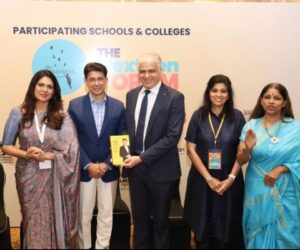
Drawing on his experience as a healthcare innovator and insights from his recently launched book, 21 Days to Good Health, he emphasised the importance of preventive healthcare, emotional wellbeing and cultivating healthy habits from childhood.
His central theme reinforced the need to make prevention and everyday wellbeing integral to nurturing the next generation, rather than waiting for health concerns to develop into crises.
The session was moderated by acclaimed journalist Vasanthi Hariprakash.
A white paper that begins with listening
The forum was led by Antara Pandit and Shefali Khatri, who played key roles in bringing together the diverse participants and shaping the conclave’s central conversations and calls to action.
Opening the event, Mahima Poddar, Founder of The Kindness Foundation, emphasised that the initiative was conceived as a platform for meaningful dialogue rather than another conference dominated by speeches.
“The NextGen Forum aims to bridge the generational divide by bringing young people and adult changemakers together to discuss the challenges of growing up today,” she said.
Highlighting the larger purpose of the initiative, she added: “The event is only the beginning. The insights and recommendations emerging from these discussions will feed into India’s first co-created White Paper on Youth Safety & Wellbeing.”
The proposed White Paper is expected to give institutional shape to the voices heard during the conclave, bringing together the lived experiences of young people and the professional insights of experts across multiple sectors.
Ultimately, the NextGen Forum has placed a significant question before parents, schools, institutions and policymakers: Are adults prepared not merely to protect young people, but also to trust them, understand them and give them a meaningful voice in decisions that shape their lives?