
- Educational visit organised under NSS to expose students to India’s correctional and rehabilitation systems
- Students interact with prison administration and witness vocational training aimed at inmate self-reliance
- Principal Dr Darsha Jani says experiential learning builds social responsibility and empathy
NE EDUCATION BUREAU
AHMEDABAD, DEC 17
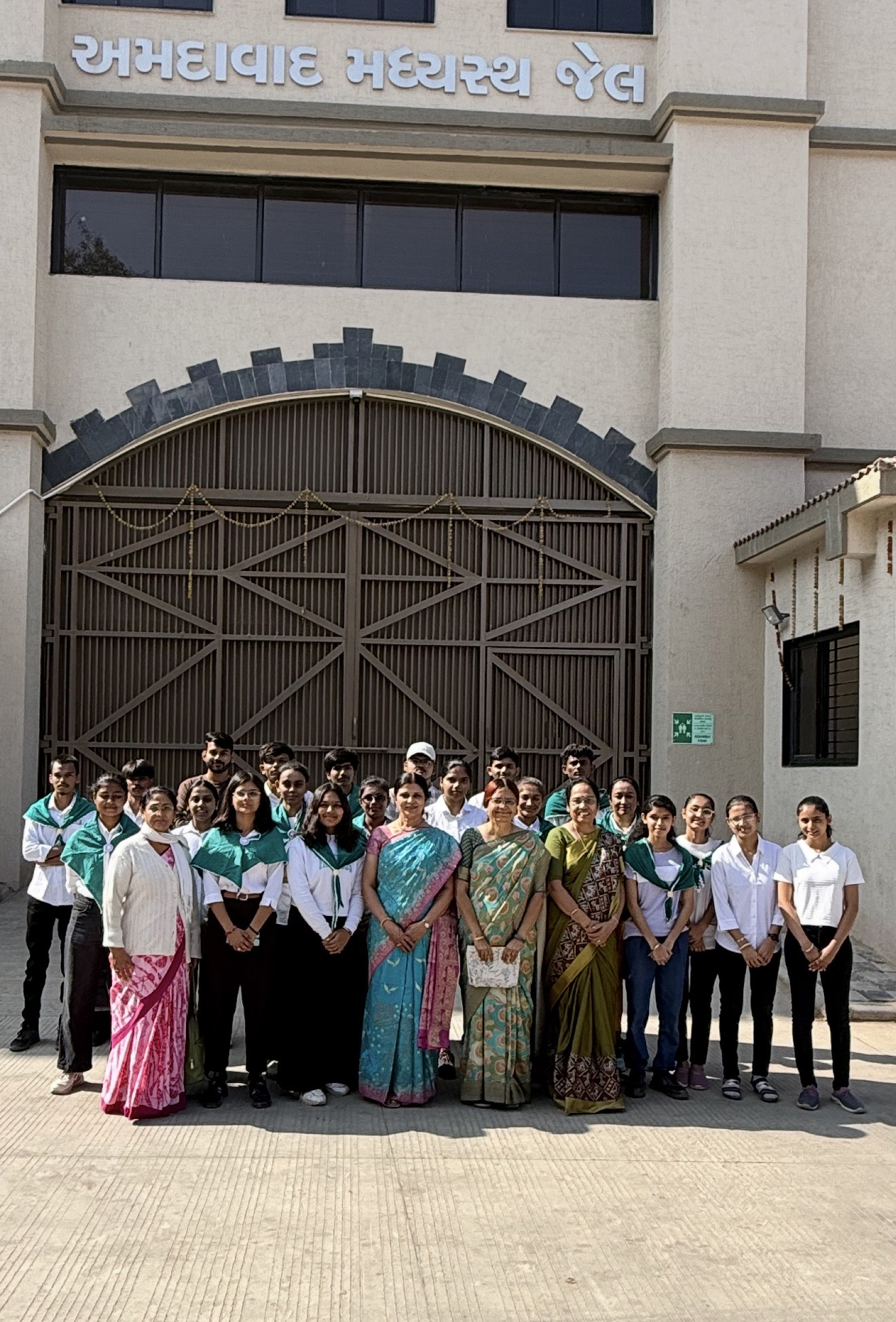
In a powerful blend of education and social awareness, students from the NSS Unit of Smt. SR Mehta Arts College, a constituent of the Navgujarat Group of Colleges, undertook an educational visit to Sabarmati Central Jail as part of their National Service Scheme programme.
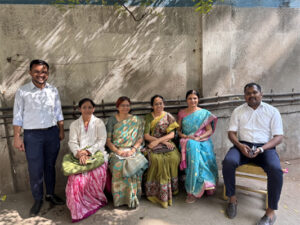
The visit, conceptualised and guided by Principal Dr Darsha Jani, along with NSS coordinators Dr Nayana Chudasama, Dr Tejani Munshi, and Dr Seema Badgujar, Associate Professor of Sociology, was designed to provide students with first-hand exposure to the correctional framework, prison administration, and inmate rehabilitation initiatives.
During the visit, students gained insights into the functioning of the prison system and learnt about the vocational and skill-development programmes conducted for inmates. They also observed a range of products made within the prison, reflecting efforts to promote self-reliance, dignity of labour, and social reintegration.
Highlighting the educational value of the initiative, Principal Dr Darsha Jani said, “Such visits help students move beyond textbooks to understand society in all its complexities. Exposure to the correctional and rehabilitation system nurtures empathy, civic responsibility, and a deeper awareness of the role education plays in reform and reintegration.”
Students described the experience as eye-opening, noting that it enhanced their understanding of how rehabilitation and reform are central to the justice system, rather than punishment alone. The interaction reinforced key sociological concepts related to crime, correction, and community reintegration.
The NSS-led initiative reaffirmed the college’s commitment to experiential learning, encouraging students to engage meaningfully with social institutions and contribute thoughtfully to society.