NE PARLIAMENT BUREAU
NEW DELHI, MAR 10
Amid escalating tensions in West Asia and concerns over disruptions in global gas supply chains, the Centre on Tuesday invoked powers under the Essential Commodities Act (ECA) to ensure uninterrupted supply of piped natural gas (PNG) for households, LPG for cooking and CNG for transport across the country.
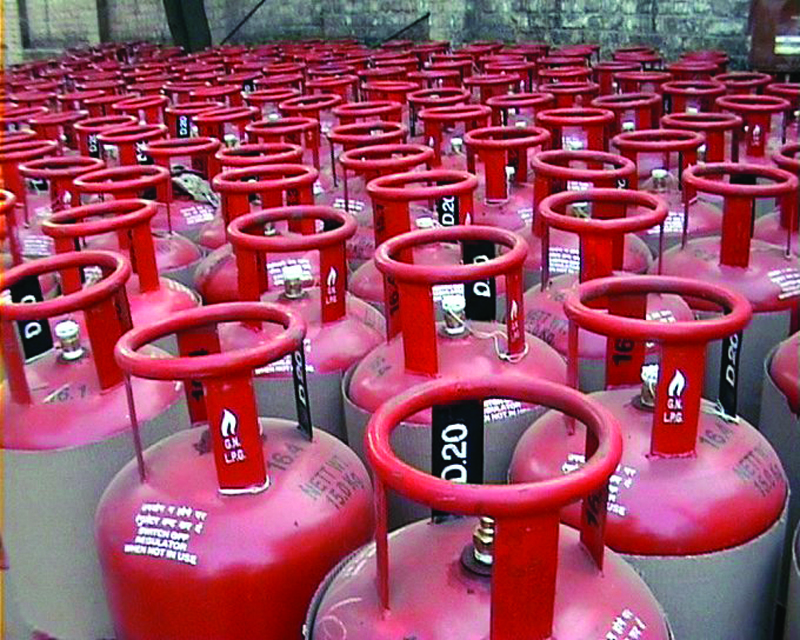
In light of current geopolitical disruptions affecting global fuel supply, steps have been taken to enhance LPG production and prioritise its availability for domestic consumers and essential non-domestic sectors such as hospitals and educational institutions.
Requests from other… pic.twitter.com/tvAftzauu4— Indian Oil Corp Ltd (@IndianOilcl) March 10, 2026
The move comes after the government assessed that the ongoing conflict in the Middle East has affected liquefied natural gas (LNG) shipments through the Strait of Hormuz, with several suppliers invoking force majeure clauses, potentially diverting gas supplies to priority sectors.
- Government invokes Essential Commodities Act to prioritise gas for kitchens, LPG production and transport amid West Asia conflict
- Supply disruption feared after LNG shipments through Strait of Hormuz face uncertainty and force majeure by suppliers
- Domestic PNG kitchens, CNG transport and LPG production placed in top priority sector with 100% allocation target
- Fertiliser plants assured 70% supply, while industries and CGD networks to receive 80% of past consumption levels
- Opposition MPs warn of possible LPG shortage, rising cylinder prices and impact on households and restaurants
- Restaurant bodies and hospitality sector call for stable supply to avoid disruption in food services and small eateries
According to the order issued by the government, the top priority allocation will be given to household PNG supply, CNG for transport and LPG production, along with essential pipeline operational requirements.
The government has mandated that these sectors should receive 100 per cent of their average gas consumption over the past six months, subject to operational availability.
To further stabilise cooking gas availability, the Centre has directed refineries and petrochemical units to maximise production of liquefied petroleum gas (LPG) and divert key hydrocarbon streams to the LPG pool.
Priority Allocation Across Sectors
In light of current geopolitical disruptions to fuel supply and constraints on supply of LPG, Ministry has issued orders to oil refineries for higher LPG production and using such extra production for domestic LPG use.
The ministry has prioritised domestic LPG supply to…
— Ministry of Petroleum and Natural Gas #MoPNG (@PetroleumMin) March 9, 2026
The order also outlines supply allocations for other key sectors.
Fertiliser plants, classified under Priority Sector 2, will receive 70 per cent of their past six-month average gas consumption, provided the gas is used strictly for fertiliser production. These units must submit a certificate to the Petroleum Planning and Analysis Cell (PPAC) through the Ministry of Fertiliser confirming compliance.
Meanwhile, industries such as tea manufacturing and other industrial consumers connected to the national gas grid will receive 80 per cent of their past six-month average gas consumption, subject to availability.
City Gas Distribution (CGD) companies have also been directed to ensure that industrial and commercial consumers supplied through their networks receive 80 per cent of their average gas consumption.
Opposition Flags Supply and Price Concerns
Several opposition leaders raised alarm over the possible impact of the West Asia conflict on LPG availability and fuel prices.
Rajeev Shukla warned that the situation could affect both households and commercial establishments.
“There is a very big crisis of cylinders, and this is a matter of great concern for us,” Shukla said.
“India is also getting affected amid the West Asia conflict. All the restaurants in Bengaluru and Chennai are on the verge of shutting down because gas is not available. There could also be a shortage of domestic cooking gas. This government cannot be trusted — what they say and what actually happens are completely different.”
Shashi Tharoor also flagged concerns about supply and pricing pressures.
“There is no availability, and the prices are also increasing. This is a very serious problem. This is a consequence of the Iran war,” Tharoor said.
Opposition Blames Policy Failures
Rajeev Kumar Rai criticised the government’s preparedness.
“This is the result of the government’s lack of foresight. Every time the government takes a decision on an issue, it treats it as a mere formality. Only when the situation arises do they start thinking. This is the failure of foreign policy,” Rai said.
Another Samajwadi Party leader, Afzal Ansari, accused the government of allowing steep price escalation.
“The main issue is that prices have increased. Earlier, cylinders were available in the country for Rs 400. Back then, these people created a ruckus saying, ‘the price of a cylinder is Rs 400.’ Today, that same cylinder is not even available for Rs 1,200. The price of a cylinder has increased by Rs 60. There is no shame at all,” he said.
Impact on Urban Poor and Small Businesses
Arvind Sawant cautioned that any disruption could hurt vulnerable sections and small businesses.
“Poor families in cities like Mumbai cannot manage without gas. Some people might even try to exploit the situation through black marketing. The government needs to pay attention to this. Small hotels and vulnerable people, who rely on eating at hotels every day, are also affected,” Sawant said.
Restaurant associations and hospitality bodies have also urged authorities to ensure uninterrupted LPG supply, warning that shortages could disrupt food services, particularly in small eateries, roadside restaurants and quick-service establishments that rely heavily on commercial cylinders.
Government Allies Urge Calm
However, voices from the ruling alliance downplayed fears of a supply crisis.
Milind Deora said India has diversified energy sourcing to mitigate risks.
“I believe that the war between Iran and Israel in West Asia is a serious issue, and it is true that it could impact the global supply of natural gas. However, India has multiple sources and alternatives from which we can import natural gas.”
He also warned against panic. “Some people today are trying to mislead the public and spread rumours,” he added.
Global Tensions and India’s Energy Security
Energy experts say the government’s move under the Essential Commodities Act aims to prevent panic, prioritise household energy needs and maintain stability in cooking gas supplies, especially if disruptions in the Middle East continue.
With millions of Indian households and businesses dependent on LPG, maintaining steady supply during global geopolitical shocks remains a critical component of India’s energy security strategy.