NE HEALTH BUREAU
CHENNAI, JUNE 27
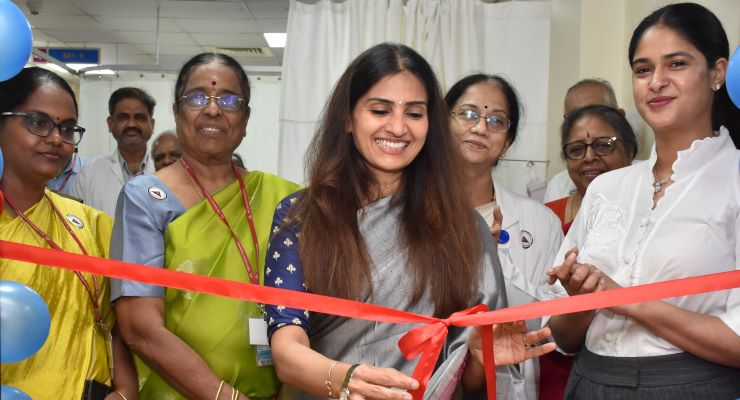
In a significant step towards addressing one of the most neglected aspects of women’s healthcare, the Faculty of Physiotherapy, Sri Ramachandra Institute of Higher Education and Research (SRIHER) inaugurated a Pelvic Health Clinic at Sri Ramachandra Medical Centre on Saturday to mark Continence Care Week, while also launching an inclusive rehabilitation initiative for children with special needs.
The clinic was inaugurated by Dr. Sonali Santharam, Founder, Birth Basix, Chennai, in the presence of Samyuktha Venkataachalam, Trustee, Sri Ramachandra Institute of Higher Education and Research, along with senior administrators, faculty members and students.
- Specialised clinic launched to tackle pelvic floor disorders, urinary incontinence and post-childbirth complications through evidence-based physiotherapy
- Experts reveal only 7% of women seek medical help for incontinence despite its profound impact on physical, emotional and social well-being
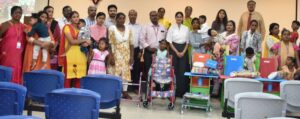
- ‘Movement Mission’ restores mobility and independence by distributing assistive devices to 13 children with special needs
- Continence Care Week initiative combines awareness, early intervention and rehabilitation to promote healthier, more inclusive communities
Highlighting the urgent need to normalise conversations around pelvic health, Dr. Sonali Santharam said, “Countless women silently endure continence-related disorders due to embarrassment, misconceptions and social stigma.”
She pointed out that only seven per cent of women seek medical consultation for incontinence-related issues, despite the significant impact such conditions have on their quality of life.
Explaining the physiological changes women undergo, she said pelvic floor muscles experience considerable stress during pregnancy and childbirth, often leading to conditions such as urinary incontinence, constipation and uterine prolapse.
Dr. Sonali stressed the need for robust public health initiatives, community-based education and sustained awareness campaigns to dispel myths surrounding pelvic floor dysfunction.
She said, “Conversations around continence and pelvic floor dysfunction would encourage women to seek timely medical care and benefit from evidence-based treatments without fear or hesitation. Greater awareness of this often-overlooked aspect of women’s health can improve physical well-being, psychological health and overall quality of life, empowering women to navigate every stage of life with confidence, dignity and independence.”
The clinic will offer specialised physiotherapy interventions, including pelvic floor muscle rehabilitation and continence management. Experts also highlighted that Kegel exercises not only strengthen pelvic floor muscles but also contribute to overall body strength, posture and long-term well-being.
Adding a strong humanitarian dimension to the programme, the Faculty of Physiotherapy organised “Movement Mission – Getting Them Back on Their Feet,” an initiative led by faculty members and alumni to improve the quality of life of economically disadvantaged children with mobility impairments.
Under the initiative, 13 children from Vidya Sudha – Centre for Special Kids received customised assistive devices, including orthotics, prosthetics, modified chairs and wheelchairs, enabling greater independence, mobility and social participation.
Vice-Chancellor Dr. Uma Sekar, Pro Vice-Chancellor Dr. Mahesh Vakamudi, Principal of the Faculty of Physiotherapy Dr. P. Antony Leo Aseer, faculty members and students participated in the programme, reaffirming the institution’s commitment to preventive healthcare, rehabilitation and community service.