NE DEFENCE BUREAU
CHENNAI, AUG 18
From the laboratories of Avadi in Chennai to the manufacturing floor in Gujarat, India’s defence self-reliance is gathering speed—and today, a crucial link in that chain was forged. In a significant technology-transfer initiative, the Combat Vehicles Research & Development Establishment (CVRDE), a DRDO laboratory at Avadi, Chennai, handed over a range of indigenously developed technologies to defence industry partners, bringing together the scientific strength of Tamil Nadu and the manufacturing prowess of Gujarat and other industrial hubs.
- CVRDE transfers critical aircraft and aero-engine technologies to industry, strengthening India’s self-reliant defence chain
- Gujarat’s Austin Engineering joins Hyderabad and Bengaluru firms in converting DRDO know-how into production capability
- MiG-29K/KUB filter elements, KDE lube-oil filter assembly and STFE mainshaft bearing among technologies transferred
The transfer, held at CVRDE on Tuesday, marks another step in converting indigenous defence research into deployable industrial capability. DRDO identifies CVRDE as a key laboratory working on aeromechanical technologies, including hydraulic and lube filters for combat aircraft and lube filters for aero engines, underscoring the strategic importance of the technologies being taken forward by industry.
Three critical technologies move from DRDO to industry
CVRDE transferred indigenous technologies covering filter elements for MiG-29K/KUB aircraft, Co-Axial Lube Oil Filter Assembly of KDE and the Mainshaft Bearing for STFE.
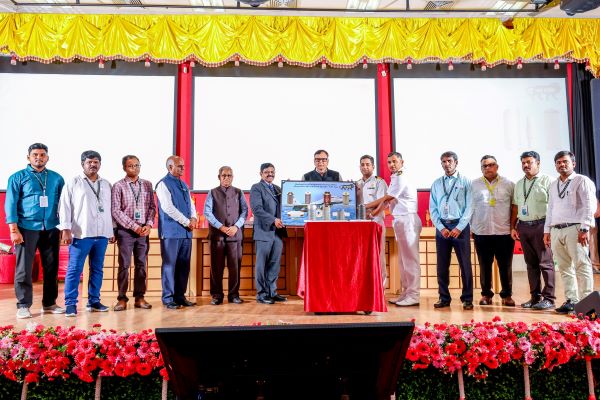
In the presence of Prof Dr Prateek Kishore, Director General (ACE), DRDO, CVRDE Director J Rajesh Kumar handed over the technologies to Dr S.V. Ramana Murty, Director, Gas Turbine Research Establishment (GTRE) and Naval Headquarters officials.
The development and transfer of such specialised components highlight how indigenous R&D can progressively reduce dependence on imported critical systems and create a wider domestic manufacturing ecosystem.
Gujarat’s Austin Engineering joins Chennai’s defence technology push
The technology-transfer exercise also brought together three industry partners—M/s Mikroflo Filters, Hyderabad; M/s Amado Tools, Bengaluru; and M/s Austin Engineering Company Ltd., Gujarat—along with DRDO officials.
The participation of the Gujarat-based manufacturer adds an important western-India dimension to the initiative, demonstrating how technologies developed in DRDO laboratories can move across state boundaries into specialised industrial production.
The effort involved CEMILAC (Centre for Military Airworthiness & Certification) and DGAQA (Directorate General of Aeronautical Quality Assurance), along with the industry partners, creating a coordinated pathway from technology development and certification to industrialisation.
‘World-class products’ within India’s capability
Delivering the keynote address, Dr Prateek Kishore underlined the depth of India’s indigenous technological potential.
He emphasised that “the country has potential capabilities to develop world class products” and asserted that “critical technologies shall be realized in defined time with the involvement of all stakeholders in the Defence Eco-System.”
The message comes against a broader DRDO push to translate laboratory-developed technologies into industry. DRDO’s official technology-transfer platform lists CVRDE among its laboratories transferring technologies to Indian industry, while the organisation has also highlighted its extensive industry network for manufacturing defence equipment.
A ‘Chennai-to-Gujarat’ bridge for Atmanirbhar defence
The ceremony illustrates the increasingly collaborative architecture of India’s defence industrial ecosystem—where DRDO laboratories provide the technology, certification agencies enable airworthiness and quality assurance, and private industry converts innovation into production.
The Chennai-Gujarat linkage is particularly significant as India seeks to deepen domestic defence manufacturing and build resilient supply chains for critical components. Earlier DRDO documentation has also recorded CVRDE-developed filter assemblies being manufactured by Indian industry, demonstrating the laboratory’s continuing role in technology development and industrialisation.
For Gujarat, the participation of Austin Engineering Company places the state’s engineering capabilities directly within this emerging defence technology chain. For Chennai and CVRDE, it reinforces the role of the Avadi laboratory as a technology engine feeding India’s wider defence manufacturing network.
The handover, therefore, was more than a ceremonial exchange of technologies—it was a transfer of indigenous capability from the drawing board to the defence production ecosystem, strengthening the bridge between DRDO science and Indian industry.