- Prevention first: Could early risk assessment prompt tobacco users to act before cancer develops?
- Silent risks: Feeling healthy does not necessarily mean being free from tobacco-related health risks.
- Beyond detection: Medical evaluation can open the door to personalised risk assessment and preventive advice.
- From awareness to action: Healthcare professionals can help translate knowledge of tobacco’s dangers into steps towards quitting.
- A timely intervention: Tobacco cessation, appropriate screening and medical consultation can strengthen prevention efforts.
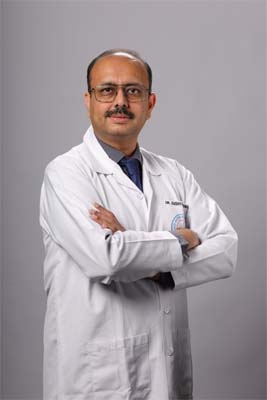
Dr DUSHYANT MANDALIK
For many tobacco users, the risks associated with tobacco consumption remain a distant possibility until a health problem becomes visible. Often people continue to consume tobacco in different forms for years, despite knowing that it can cause cancer, till they experience some symptoms requiring immediate attention. This raises an important question for cancer prevention: Can early cancer screening and risk assessment become a wake-up call for tobacco users and encourage them to quit before cancer develops?
Tobacco consumption is one of the major preventable risk factors associated with cancer, particularly oral, and head and neck cancers. Yet, for regular users of tobacco, the absence of symptoms can create a false sense of security. Many can go for years believing that there is little reason to seek medical advice since they feel healthy.
Screening can open the door to prevention
Cancer screening is generally associated with early detection of the disease. However, for individuals with a history of tobacco consumption, an appropriate medical evaluation can become an opportunity to understand their individual risk and have a conversation with an oncology specialist.
Depending on an individual’s history and clinical assessment, doctors can advise appropriate screening or further evaluation. Identifying precancerous changes at an early stage can help a person understand the potential consequences of continued tobacco use and encourage them to take preventive action.
Many tobacco users may not realise that continued tobacco use is exposing them to serious long-term health risks. Appropriate cancer screening and risk assessment can help people understand their individual risk at an earlier stage and, importantly, create an opportunity for doctors to counsel them about quitting. The objective should be to intervene before cancer develops, rather than waiting for a diagnosis to become the reason to stop tobacco.
From awareness to action
While awareness about the harmful effects of tobacco has increased, knowledge alone does not always lead to cessation. People may continue consuming tobacco despite understanding its health risks because the habit has become part of their daily routine.
This is where an interaction with a healthcare professional can make the risks seem real. Such a consultation can help tobacco users understand how their consumption history may affect their health and what preventive steps they should take to maintain better health parameters.
For individuals who have been consuming tobacco for a prolonged period, recognising risk early and seeking professional advice can be an important step towards prevention. The absence of symptoms should not necessarily be interpreted as the absence of risk.
The focus should be on preventing cancer before it starts
The larger challenge is to move the conversation around tobacco-related cancer from treatment to prevention. Instead of waiting for symptoms or a cancer diagnosis to force a person to quit, preventive healthcare can encourage people to assess their risk and make healthier choices earlier.
Tobacco cessation, awareness, appropriate screening and timely medical consultation can together contribute to a stronger prevention-focused approach to tobacco-related cancers.
For tobacco users, the message is simple: do not wait for cancer to become the reason to quit. Understanding your risk today could be the first step towards preventing a serious health consequence tomorrow.
The author is Consultant- Head & Neck Surgical Oncologist & Reconstructive Surgeon, HCG Aastha Cancer Center