- National Nutrition Week (September 1–7) is a reminder that healthy eating is the foundation of lifelong well-being
- In one study, individuals at risk of cardiovascular disease who took tocotrienol supplements showed no increase in white matter lesions in their brains—unlike those on a placebo
- Palm oil is high in saturated fats, raising HDL or good cholesterol, which helps clear harmful cholesterol from your arteries.
NE FEATURES BUREAU
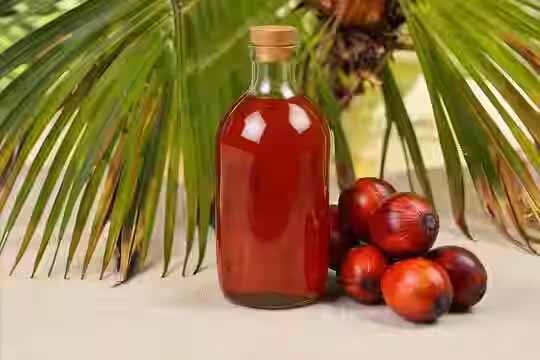
Palm oil is a modern-day miracle oil, favoured the world over for its incredible nutritional benefits and versatility. Extracted from the striking red and orange fruits of the palm tree, this powerhouse ingredient has seamlessly integrated into kitchens and everyday essentials worldwide. Whether it’s adding richness to cereals and chocolates or enhancing shampoos and cleaning products, palm oil quietly powers nearly one-third of supermarket items.
National Nutrition Week (September 1–7) is a reminder that healthy eating is the foundation of lifelong well-being. The 2025 theme, “Eat Right for a Better Life,” emphasises the importance of making better food choices across all age groups, encourages mindful eating with more seasonal fruits and vegetables and fewer processed foods, and highlights the value of home cooking and portion control to prevent diseases linked to excessive, unhealthy eating. The week reinforces that even everyday decisions, such as choosing the right cooking oil, can significantly impact health. Oils like palm oil, with their unique nutrient profile, can support heart, brain, and overall well-being when part of a balanced diet.
What makes it such a global favourite? Explore eight fascinating health and wellness benefits of this extraordinary oil that can elevate your daily life.
Fights Free Radical Damage
Palm oil is rich in tocotrienols, a potent form of vitamin E with exceptional antioxidant properties. Inflammation, smoking, pollution, and strenuous exercise boost the generation of free radicals in the body — a phenomenon also observed in response to stress, poisons, and certain medicines. Free radicals are deemed destructive, as they can disrupt cell membranes, enzymes, and DNA. Tocotrienols neutralise free radicals and protect the gastrointestinal tract, facilitate blood glucose control in people with diabetes, and prevent fatty liver disease. Research even suggests that tocotrienols in palm oil may protect the liver by preventing the oxidation of proteins and fats.
Aids in Cancer Prevention
The carotenoid constituents of red palm oil are potent dietary anti-carcinogens. Nature has enhanced palm vitamin E to contain up to 70 g to 100 g of total tocotrienols.These organic compounds have been reported to exert various beneficial health promoting properties especially against chronic diseases, including cancer in many studies. The anti-inflammatory effect of tocotrienols could be highly promising in the regulation of tumour microenvironment. Tocotrienols were reported to specifically target the subpopulation of cancer stem cells, known to be deeply involved in the development of resistance to standard therapies.
Boosts Brain Health
Palm oil could play a role in protecting the brain from neurodegenerative diseases. In one study, individuals at risk of cardiovascular disease who took tocotrienol supplements showed no increase in white matter lesions in their brains—unlike those on a placebo. Since white matter is critical for brain function and stroke recovery, palm oil’s benefits in this area are particularly noteworthy.
Helps Lower Blood Pressure
Rich in monounsaturated fatty acids like oleic acid, palm oil may benefit those with high blood pressure—a major risk factor for heart and kidney diseases. Animal studies suggest that palm oil consumption can reduce arterial pressure by alleviating oxidative stress and improving blood vessel function.
Addresses Vitamin A Deficiency
A global health concern, Vitamin A deficiency can result in preventable blindness and heightened susceptibility to infections. Red palm oil is the richest plant-based source of provitamin A carotenoids, making it highly effective in combating Vitamin A deficiency. Even a small daily dose of 4 ml can significantly improve vitamin A levels, particularly in children, research shows.
Prevents Stomach Ulcers
Suffering from stomach ulcers? Palm oil’s vitamin E content may offer relief. Research indicates that palm oil reduces gastric acid production and protects the stomach lining from damage caused by medications like aspirin, potentially easing the pain and discomfort of ulcers. A finding suggests that palm vitamin E appears to promote healing of ethanol-induced gastric lesions.
Nourishes Skin
If you are battling dry skin, red palm oil could be your secret weapon. Packed with Vitamin E and antioxidants, it hydrates and softens skin, leaving it supple and glowing. Simply apply a small amount to enjoy its moisturising effects.
Promotes Hair Health
Palm oil can double as a natural conditioner and a remedy for hair loss. Its tocotrienols promote hair growth by countering oxidative stress, which damages hair follicles. In one study, participants experienced a 34.5% increase in hair growth after eight months of tocotrienol supplementation.
Palm oil is high in saturated fats, raising HDL or good cholesterol, which helps clear harmful cholesterol from your arteries. Red palm oil, in particular, contains antioxidants that give it anti-atherosclerotic properties, potentially supporting heart health. With its impressive benefits—ranging from supporting brain health to enhancing skin and hair care—palm oil can be a valuable addition to your diet and beauty routine. Incorporate it mindfully to make the most of its contributions to your overall health and wellness!