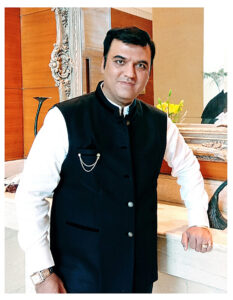
CELEBRITY MASTER CHEF DR. KAVIRAJ KHIALANI
The journey from farm to fork is becoming the most delicious—and consequential—journey on the urban dining table. As consumers emerge from the pandemic era more conscious of health, provenance and sustainability, the food business is undergoing a quiet but powerful transformation: the plate is no longer judged only by how delicious it looks and tastes, but also by where its ingredients came from, how far they travelled and how responsibly they were produced.
Celebrity Master Chef Dr. Kaviraj Khialani says the post-Covid food landscape has been marked by a striking convergence of convenience, wellness, technology and sustainability. Online ordering and takeaway have surged, contactless dining has become mainstream, while consumers have simultaneously developed a sharper appetite for healthier, transparent and environmentally responsible food choices.
- Celebrity Master Chef Dr. Kaviraj Khialani decodes the post-Covid culinary shift from convenience food to fresher, healthier and more traceable plates
- Farm-to-fork dining puts local sourcing, seasonal produce, sustainability and ingredient transparency at the heart of the modern food business
- Chefs and restaurateurs are reimagining menus around what the farm can offer today—not what the supply chain can stock year-round
- From plant-forward plates and sustainable seafood to low-waste kitchens, the movement is reshaping how food is sourced, cooked, presented and consumed
- But high costs, seasonal supply, logistics, consumer awareness and food affordability remain formidable hurdles for the farm-to-fork dream
That is where farm to fork enters the culinary conversation—with a promise that can be summed up simply: shorter journeys, fresher ingredients and a clearer connection between the diner and the farmer.
The farm is the new menu card
Farm to fork, also called farm to table, is fundamentally about making the food chain more visible and more direct.
Instead of relying on multiple layers of intermediaries, the model prioritises local farmers, seasonal produce and shorter supply chains, enabling restaurants and consumers to understand where their food originates and, ideally, how it was grown.
The concept puts several ingredients on the sustainability plate:
- Local sourcing to support nearby farmers and reduce transportation distances
- Seasonality to work with nature rather than against it
- Sustainable agriculture and responsible production practices
- Transparency about the origin and production of ingredients
- Shorter supply chains to improve freshness and traceability
- Minimally processed food to preserve quality and nutritional value
- Reduced food waste through smarter menu planning and whole-ingredient utilisation
The result can be a culinary experience in which a tomato, leafy green, grain or fruit is not merely an ingredient—it becomes part of the story being served.
When the season writes the menu
One of the most exciting implications of farm-to-fork dining is the possibility of letting the calendar dictate the menu.
Rather than forcing the kitchen to serve the same ingredients throughout the year, seasonal menus can showcase produce when it is naturally abundant, fresh and flavourful. Summer can bring vibrant tomatoes, zucchini and fruits, while winter menus can turn towards root vegetables and hearty greens.
For chefs, this creates an opportunity to constantly reinvent the plate.
For diners, it can mean discovering that sustainability does not have to taste austere. Fresh, local and seasonal can also mean colourful, aromatic, inventive and spectacularly delicious.
Restaurants can further strengthen this connection by introducing a farmer-of-the-month or local-producer spotlight, telling customers exactly who grew the ingredients on their plate.
The plate goes plant-forward
Farm-to-fork menus also open the door to a greater emphasis on plant-based and vegetarian cuisine, using vegetables, legumes, whole grains, fruits, herbs and other locally available ingredients to create dishes that are both nutritious and exciting.
Where animal products are included, responsible sourcing becomes equally important. Sustainable seafood, ethical animal farming, better welfare practices and environmentally responsible feed can become part of the sourcing conversation.
The modern farm-to-fork menu can therefore stretch across the culinary spectrum—from vibrant vegetarian bowls and seasonal salads to responsibly sourced seafood and thoughtfully prepared animal proteins.
And perhaps its most compelling ingredient is freshness.
The zero-waste kitchen is the next frontier
The farm-to-fork philosophy does not end when the produce reaches the kitchen.
The next challenge is ensuring that precious food does not end up in the bin.
Chefs can minimise waste by using more of each ingredient, creatively incorporating surplus produce into new dishes, composting kitchen scraps and designing menus that allow ingredients to cross over between preparations.
A carrot top can become a garnish or pesto. Vegetable trimmings can enrich stocks. Seasonal surplus can inspire specials rather than spoilage.
Such practices can make sustainability both culinary and commercial.
The larger ambition is to move from a food system built around abundance and disposal towards one based on respect for ingredients, farmers and resources.
Mumbai shows the appetite—and the challenges
The farm-to-fork movement is gaining visibility in metropolitan India, including Mumbai, where rising awareness of health and sustainability has encouraged restaurants, cafés, farmers’ markets and community-supported agriculture initiatives to experiment with local and seasonal sourcing.
But bringing the farm-to-fork ideal to a megacity is anything but simple.
Mumbai’s enormous population creates a formidable supply and logistics challenge. Local farms may struggle to consistently supply the scale and variety required by the urban food industry.
Then comes seasonality.
A restaurant committed to genuinely local sourcing cannot always promise the same ingredients throughout the year. This requires chefs to be creative enough to allow the menu to evolve with the seasons.
Price is another reality. High real-estate and operating costs can make sustainably sourced food more expensive, potentially restricting access to affluent consumers rather than making responsible eating a mass movement.
There are also questions of food safety, hygiene compliance, producer certification and regulatory requirements when restaurants work with smaller and less formal suppliers.
And then there is the biggest challenge of all: consumer understanding.
Farm to fork will succeed only when diners understand why a seasonal local ingredient may be worth paying a little more for—and why a menu that changes with the harvest is not a limitation but a virtue.
The delicious balancing act
The farm-to-fork philosophy is not without critics. A transition towards more sustainable farming and production practices can raise costs for producers and food businesses. Concerns have also been raised about productivity, food security, affordability, technological innovation and the economic impact of stricter sustainability requirements.
That makes the central challenge unmistakable: environmental sustainability cannot come at the cost of farmers’ livelihoods, food availability or consumer affordability.
The future therefore lies not in choosing between sustainability and economics, but in finding a workable middle ground.
Technology can help improve agricultural productivity. Better logistics can reduce wastage. Consumer education can create demand for seasonal produce. Restaurants can design menus around what farmers can sustainably supply. Policymakers can support local producers and resilient food systems.
From local farmers to global food culture
For India’s culinary business, the farm-to-fork movement could ultimately be much more than another restaurant trend.
It can strengthen the relationship between farmer, chef and consumer; celebrate regional produce; revive traditional ingredients; reduce unnecessary food miles; encourage responsible agriculture and make diners more conscious of what lands on their plates.
The post-Covid consumer has already changed the food equation. Convenience remains king—but health, freshness, transparency and sustainability are increasingly demanding seats at the same table.
And that could make the next big culinary revolution less about exotic ingredients flown halfway around the world and more about something much closer to home: knowing the farm behind the fork.
RECIPES WHICH CAN BE DONE BETTER USING FARM TO FORK CONCEPT
The Farm to Fork concept emphasizes the use of locally sourced and seasonal ingredients to create more sustainable and flavorful dishes. Here are five recipes that can be improved by applying this concept:
CAPRESE SALAD

Ingredients
- 4 large ripe tomatoes (locally sourced if possible)
- 8 ounces (about 225 grams) fresh mozzarella cheese
- 1 bunch of fresh basil leaves
- Extra virgin olive oil (high-quality and locally produced)
- Balsamic vinegar (optional)
- Sea salt and freshly ground black pepper, to taste
Method
Prepare the Ingredients
- Wash and dry the tomatoes and basil leaves.
- Slice the tomatoes into 1/4-inch thick rounds.
- Slice the fresh mozzarella cheese into 1/4-inch thick rounds as well.
- Pick the basil leaves from the stems.
- The tomato, mozzarella, and basil slices, slightly overlapping them.
- Drizzle extra virgin olive oil generously over the salad.
- If desired, you can also drizzle a small amount of balsamic vinegar for extra flavor.
- Season the salad with sea salt and freshly ground black pepper to taste.
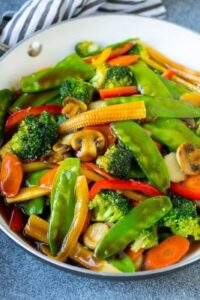
VEGETABLE STIR-FRY
Ingredients
For the Stir-Fry Sauce
- 1/4 cup soy sauce
- 2 tablespoons oyster sauce (or hoisin sauce for a vegetarian option)
- 2 tablespoons rice vinegar
- 1 tablespoon honey or brown sugar
- 1 teaspoon cornstarch
- 1 tablespoon vegetable oil (locally sourced if possible)
- 1 pound (450 grams) mixed vegetables, such as bell peppers, broccoli, carrots, snap peas, and mushrooms, thinly sliced or chopped
- 2 cloves garlic, minced
- 1-inch piece of fresh ginger, grated or minced
- 1 block of tofu, chicken, shrimp, or beef (optional), cut into bite-sized pieces
Method
- In a small bowl, whisk together the soy sauce, oyster sauce (or hoisin sauce), rice vinegar, honey (or brown sugar), and cornstarch. Set this sauce aside.
- Wash and chop the mixed vegetables. You can use any combination you prefer or what’s in season.
- If using protein (tofu, chicken, shrimp, beef), prepare it by cutting it into bite-sized pieces.
- Heat the Oil:
- Heat the vegetable oil in a large skillet or wok over medium-high heat.
- Add the chopped vegetables to the skillet. Stir-fry for 3-5 minutes until they start to become tender but still crisp. You can adjust the cooking time based on your preference for the level of doneness.
GRILLED CHEESE SANDWICH

Ingredients
- 2 slices of high-quality artisanal bread (locally sourced if possible)
- 2-3 ounces (about 60-85 grams) of your favorite cheese, such as cheddar, Swiss, or mozzarella
- 1-2 tablespoons of butter (locally sourced if available)
- Optional additions: tomato slices, cooked bacon, or caramelized onions
Method
- Lay out the two slices of bread.
- Place the cheese (and any optional additions) between the slices of bread to create a sandwich.
- Spread a thin layer of butter on the outside of each slice of bread. This will give the sandwich a golden, crispy exterior when grilled.
- Heat a non-stick skillet or a griddle over medium heat. You can also use a panini press or a sandwich press if you have one.
- Place the buttered side of the sandwich down in the hot skillet.
- Grill for 2-3 minutes on each side, or until the bread is golden brown and the cheese is melted. If using a sandwich press, follow the manufacturer’s instructions.
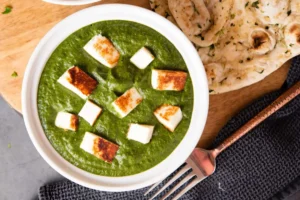
FARM-TO-TABLE SAAG PANEER
Ingredients
- Locally sourced paneer (cottage cheese)
- Fresh, seasonal leafy greens like spinach, mustard greens, or fenugreek leaves
- Organic and locally produced spices (cumin, coriander, turmeric)
- Fresh tomatoes and onions from local farms
Method
- Use locally sourced and farm-fresh paneer.
- Incorporate seasonal leafy greens, ensuring they are freshly
- Make a rich tomato-based gravy with fresh tomatoes and onions.
- Spice it with local and sustainably produced spices.
- Serve with locally sourced rice or bread.
SEASONAL VEGETABLE PULAO
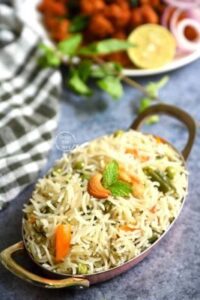
Ingredients
- Seasonal vegetables like peas, carrots, and beans from local farms
- Locally sourced Basmati rice
- Fresh herbs and spices from nearby markets
- Local ghee or vegetable oil
Method
- Use locally sourced Basmati rice.
- Incorporate seasonal vegetables from local farms.
- Spice the pulao with fresh herbs and spices from nearby markets.
- Cook in local ghee or vegetable oil for an authentic and sustainable touch.
- Serve the Vegetable Pulao with locally produced yogurt or raita.
CONCLUSION
In conclusion, the Farm to Fork concept promotes a more sustainable and responsible approach to food sourcing and consumption. It emphasizes the use of locally grown, seasonal, and sustainably produced ingredients to create healthier, environmentally friendly, and flavorful dishes. This concept has gained popularity in many metro cities, including Mumbai, as consumers become increasingly aware of the benefits of supporting local agriculture and reducing the environmental impact of the food system.
While the Farm to Fork concept offers numerous advantages, including fresher and more flavorful ingredients, support for local economies, and reduced carbon emissions, it also faces challenges. These challenges include logistical and supply chain issues, seasonal variability in ingredient availability, the need for consumer education, price sensitivity, regulatory hurdles, and the balancing of tradition and innovation in culinary offerings.
To fully realize the potential of the Farm to Fork concept, it is important for businesses, restaurants, and consumers to collaborate in sourcing and promoting local, sustainable, and seasonal ingredients. By doing so, we can contribute to a more responsible and resilient food system that benefits both our health and the environment.
Celebrity Master Chef Dr Kaviraj Khialani is a Mumbai-based hotel-restaurant and food consultant. He is specialised in over 33 international cuisines and has quality experience with hotels and airlines as a part of his long journey of over two decades in his chosen field. Chef Kaviraj is a renowned author, academician, food designer, writer and has also been awarded several national awards and global recognitions for his talent & outstanding achievements. Besides having been featured on several food shows on ColorsTV and Star Plus he is a mentor, coach and guide to aspiring to be future chefs and hoteliers of tomorrow.
He can be contacted at twitter: @kaviraj_chef, Mobile: 91 9820939336. Mail: chefkaviraj249@gmail.com