NE LAW & BUSINESS BUREAU
AHMEDABAD, NOV 22
The Gujarat Journalists Union (GJU) on Thursday issued a sharp condemnation of the Union Government’s move to implement the four Labour Codes, warning that the step “strikes at the heart of press freedom and weakens the Fourth Pillar of democracy.”
- Says scrapping of Working Journalists Act strips media employees of hard-won legal protections
- No wage board for 20 years even as govt staff get 7th & 8th Pay Panels; Media houses still defying MWB
- GJU flags long legal battles in Gujarat; IE accused of filing false affidavits before courts
- Calls for repeal of Labour Codes; BR Prajapati Urges Journalists Nationwide to Join November 26 Protest
GJU said the Labour Codes effectively dismantle the Working Journalists Act (1955) and the Working Journalists (Fixation of Rates of Wages) Act (1958)—two historic legislations that recognised working journalists as “a separate class with unique privileges, protections and service conditions”.
Also Read:
Labour reforms 2.0: India enters a new era of work & worker welfare
“Now, this very privilege is being denied,” the union said. ‘Journalists robbed of protections while governments enjoy regular pay commissions’
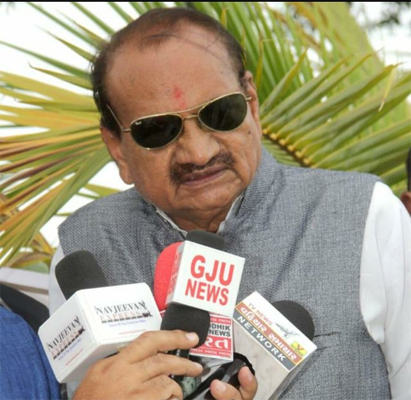
GJU president BR Prajapati noted that even though the Working Journalists Act remained in force, no Wage Board was set up for the media sector in the past two decades, while government employees secured the benefits of the 7th and now the 8th Pay Commissions.
“At a time when the media is under unprecedented economic and political pressure, abolishing journalist-specific laws will further expose newsroom employees to exploitation,” Prajapati said.
He added that major media houses are yet to fully implement the Majithia Wage Board (MWB), forcing thousands of print-media employees into long-drawn, expensive legal battles across the country.
Gujarat cases: ‘False affidavits before courts’
GJU also highlighted the situation in Gujarat, where employees of prominent publications continue to fight for legally mandated wages.
The union said The Indian Express has been “filing false affidavits before various legal forums to evade full implementation of the Majithia Wage Board”.
GJU joint secretary R. Manickavasagam has already moved the Supreme Court challenging the Gujarat High Court’s order that had overturned two binding Supreme Court verdicts delivered in 2014 and 2017 upholding MWB rights.
“These developments show how vulnerable journalists have become without dedicated statutory protection,” Prajapati said.
‘Labour Codes expand owners’ control, shrink editorial independence’
According to GJU, subsuming journalist-specific laws into the Labour Codes gives disproportionate power to media owners and managements, undermining the independence of the working press.
“This is not merely a labour issue. This is a democracy issue,” the union cautioned.
“By eroding journalists’ rights and protections, the government is weakening the very institution that holds it accountable.”
Call for repeal; GJU backs national protest
The GJU demanded the immediate repeal of the Labour Codes and the restoration of a distinct statutory framework for journalists, including those in electronic and digital media.
The union expressed full solidarity with the ten Central Trade Unions protesting against the Labour Codes and urged journalists across India to join the nationwide agitation on November 26.
“Only united struggle can protect the rights that were won after decades of sacrifice,” Prajapati said.