NE LEGAL BUREAU
CHENNAI, OCT 23
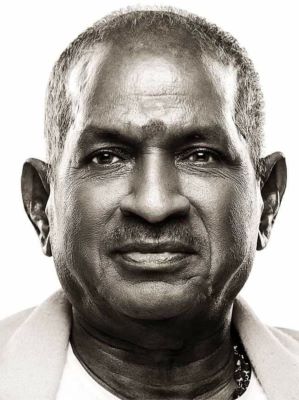
Iconic composer Ilaiyaraaja, whose music has shaped the soul of Indian cinema for over five5 decades, has once again highlighted the urgent need to respect creators’ rights and enforce copyright laws in the entertainment industry.
Appearing before the Madras High Court, his counsel submitted that two more of his compositions were allegedly used without his permission in the recent Tamil blockbuster “Dude,” starring Pradeep Ranganathan. The submission was made during hearings in Ilaiyaraaja’s ongoing plea against three music companies, including Sony Music Entertainment India Pvt. Ltd., for the unauthorised use and monetisation of his songs.
- Music maestro tells Madras High Court that more of his compositions were used without consent in a recent Tamil film
- Case reignites national dialogue on copyright ethics, creator consent, and fair recognition under India’s Copyright Act
The single-judge bench directed Ilaiyaraaja to file a separate petition on the latest allegation. Meanwhile, Sony Music submitted its revenue details from the use of his compositions in a sealed cover, while informing that the Supreme Court had sought the musician’s response on its plea to transfer the copyright-related case from the Bombay High Court to the Madras High Court. The judge, however, declined to accept the sealed cover since the matter is sub judice before the apex court. The next hearing is scheduled for November 19.
Legal observers say Ilaiyaraaja’s persistent efforts have reignited national debate over the moral, economic, and cultural dimensions of creators’ rights—especially in an era where digital platforms and remix culture often blur the lines between homage and infringement.
What the Indian Copyright Act Says About Artists’ Rights?
Under the Indian Copyright Act, 1957, every creator—composer, lyricist, writer, or artist—enjoys two sets of rights:
Economic Rights (Section 14):
The right to reproduce, distribute, perform, or communicate one’s work to the public and to earn royalties or licensing fees for such use.
Moral Rights (Section 57):
The right of authorship (to be credited for one’s work) and the right to integrity (to prevent any distortion, modification, or mutilation that harms the creator’s reputation).
Even when the copyright in a musical or cinematic work is assigned or licensed, the creator’s moral rights remain inalienable. Using a composition or performance without consent, or altering it without permission, may attract civil and criminal penalties under the Act.
The law underscores that respecting creative labour is not only a legal duty but also a moral and cultural obligation — ensuring that India’s rich artistic heritage continues to thrive with fairness and dignity.