NE HEALTH BUREAU
CHENNAI, DEC 21
Reinforcing the growing role of occupational therapy in modern healthcare, the Faculty of Occupational Therapy at Sri Ramachandra Institute of Higher Education and Research (SRIHER) organised a three-day International Conference on Occupational Therapy with the theme “Occupational Therapy in Action.” The central aim of the conference was to move beyond theory and highlight how occupational therapy directly enhances participation, functional independence and quality of life across age groups and clinical conditions.
- Three-day international meet focuses on translating occupational therapy into real-world impact
- Over 1,000 delegates drive outcomes in skills, collaboration and global best practices
The conference drew over 1,000 participants from across India, representing academic institutions, hospitals, rehabilitation centres and healthcare organisations, reflecting the expanding footprint of occupational therapy in the country’s health ecosystem. Delegates from Canada, the UAE, Singapore and the UK further strengthened the conference’s global outlook, enabling cross-cultural exchange and the sharing of international best practices.
Inaugurating the conference, B. S. Desikamani, Secretary, Tamil Nadu State Allied & Healthcare Council, underlined the foundational philosophy of the profession. “The value of movement is the essence of occupational therapy,” he said. Addressing students and practitioners, he observed that “a person may have limited, moderate or extensive knowledge, but what truly matters is the effort invested in building knowledge in a way that benefits one’s career and profession and brings personal satisfaction.” He emphasised that “success depends on the level of effort and commitment one is willing to make.”
Designed as a platform for action-oriented learning, the conference featured scientific sessions, keynote lectures, panel discussions and hands-on workshops, focusing on evidence-based practice, innovation in rehabilitation, and emerging areas of occupational therapy. These sessions aimed to equip professionals with practical tools and updated clinical approaches that can be translated directly into patient care and community rehabilitation.
The outcome of the conference was reflected in strengthened professional networks, enhanced clinical perspectives and renewed focus on interdisciplinary collaboration. The scale of participation and international engagement underscored the increasing visibility and relevance of occupational therapy in India’s healthcare landscape, particularly in addressing chronic illness, disability management, mental health and ageing populations.
The conference also highlighted the need for continuous professional development and adaptive education models to meet evolving healthcare challenges. Discussions emphasised how occupational therapists play a critical role not only in hospitals, but also in community settings, schools, workplaces and public health initiatives.
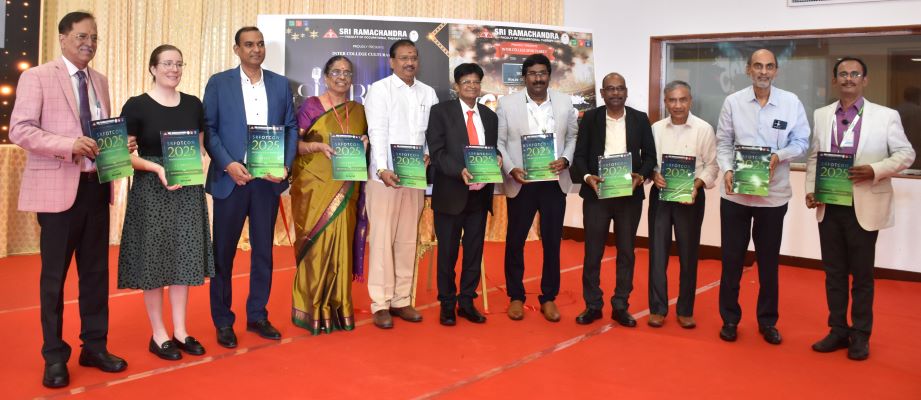
Senior leadership and faculty members, including Uma Sekar, Vice Chancellor; Mahesh Vakamudi, Pro-Vice Chancellor; S. Senthilkumar, Registrar; P. Raghuram, Head of Occupational Therapy; and S. Loganathan, Organising Secretary, participated in the deliberations, reinforcing institutional commitment to advancing occupational therapy education, research and practice.
With its strong focus on application, collaboration and global learning, the conference concluded with a clear message: occupational therapy is central to enabling independence, dignity and meaningful participation in everyday life—and its role in India’s healthcare future is only set to grow.