- Funds surge from Rs 7.83 crore in FY23 to Rs 230.42 crore in FY26
- Solar pumps, solar plants boost farm income and cut diesel costs
- Gujarat emerges as a key driver in India’s renewable-powered agriculture push
NE AGRICULTURE BUREAU
AHMEDABAD, DEC 18
Gujarat has recorded a sharp 2,843% rise in funds released under the Pradhan Mantri Kisan Urja Suraksha evam Utthaan Mahabhiyan (PM-KUSUM) scheme over the last four years, underscoring the state’s rapid adoption of solar-based agricultural infrastructure. Funding to the state increased from Rs 7.83 crore in 2022–23 to Rs 230.42 crore in 2025–26, while a total of 2,28,504 farmers have benefited from the scheme so far.
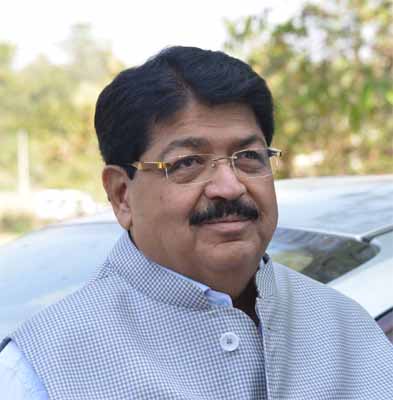
The data was shared in the Rajya Sabha on December 16, 2025, in response to a query on PM-KUSUM fund allocation and beneficiary coverage by Parimal Nathwani, MP.
At the national level, the Union Government released Rs 6,392.98 crore under PM-KUSUM during the four-year period. This included Rs 801.36 crore in 2022–23, Rs 996.33 crore in 2023–24, Rs 2,564.14 crore in 2024–25 and Rs 2,031.15 crore in 2025–26 (up to November 30, 2025). Gujarat alone received Rs 326.92 crore during this period, reflecting a steady year-on-year rise and a major spike in the current financial year.
Under Component A of PM-KUSUM, farmers are encouraged to become energy producers by leasing land for solar power plants. This enables them to earn up to Rs 80,000 per hectare per year. For commissioned plants, the median average income stands at about Rs 4.5 lakh per megawatt per month, providing a stable non-farm revenue stream.
Component B focuses on replacing diesel pumps with solar pumps. With an assumed diesel consumption of 4.6 litres per day for a 5 HP pump and diesel prices around Rs 87 per litre, farmers can recover their investment in less than a year. This transition results in annual savings of at least Rs 60,000 on diesel expenses.
Under Component C, farmers can earn around Rs 25,000 per acre per year by leasing land for solar installations, further strengthening rural incomes while supporting clean energy generation.
PM-KUSUM is a demand-driven scheme, with capacities allocated based on state-level demand and implementation progress. Fund releases are linked to demand received, progress reported by State Implementing Agencies and compliance with scheme guidelines, ensuring targeted and performance-based deployment.