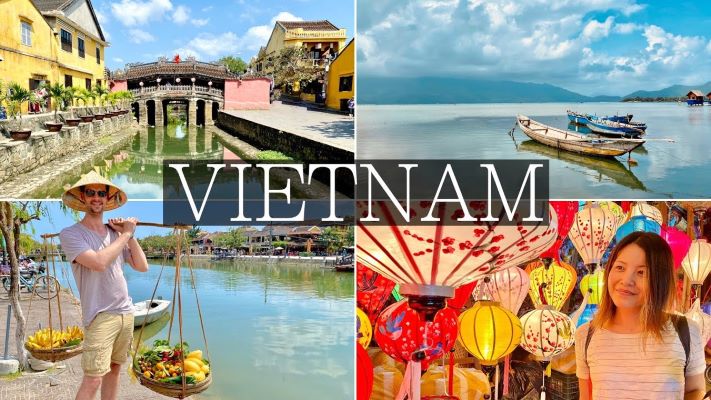
CELEBRITY MASTER CHEF DR KAVIRAJ KHIALANI
Cuisine is far more than sustenance—it is a living expression of culture. Passed down through generations, traditional food reflects the identity, lifestyle and heritage of a community. Every meal tells a story of geography, history and people. Vietnamese cuisine beautifully exemplifies this connection between food and culture, offering a culinary experience that is both deeply traditional and delightfully diverse.
- From bustling street markets to royal kitchens, Vietnamese cuisine celebrates harmony of flavours, colours and nutrition
- Geography, history and global influences shape one of the world’s most vibrant culinary traditions
- Fresh herbs, rice, vegetables and iconic fish sauce define a cuisine that is light, healthy and deeply aromatic
- French colonial legacy and Asian culinary exchanges enrich Vietnam’s evolving food identity
Food in Vietnam is celebrated for its vivid colours, delicate aromas, contrasting textures and balanced flavours. The culinary philosophy centres on harmony—where sweet, sour, salty, bitter and umami elements blend seamlessly to create dishes that are both satisfying and visually appealing.
One of the remarkable features of Vietnamese gastronomy is its emphasis on fresh and nutritious ingredients. Vegetables, herbs and fruits play a central role, complementing proteins and broths rather than merely serving as side elements. This balance ensures that Vietnamese food remains light, wholesome and naturally healthy, with lower fat and oil content compared with many other global cuisines.
Nutritional richness and natural wellness
Vietnamese cuisine is rich in essential vitamins and minerals, including vitamins C, B1, B3, B6, folate, biotin, zinc, magnesium, copper and potassium. Many dishes are also naturally gluten-free, helping maintain stable blood sugar levels and sustained energy.
The cuisine’s reliance on fresh herbs, rice noodles and lightly cooked ingredients contributes to its reputation as one of the healthiest culinary traditions in the world.
Regional diversity shaped by geography
Vietnam’s culinary landscape is strongly influenced by its geography. The country is divided into three major regions—North, Central and South, each with its own distinctive cooking style, ingredients and flavour preferences.
The north is known for subtle and balanced flavours, while the central region often features more complex and spicy dishes. Southern cuisine tends to be sweeter and more herbaceous. These regional variations create an extraordinary diversity within Vietnamese food culture.
A classic example is Pho, the iconic noodle soup. In southern Vietnam, pho is typically served with bean sprouts and fresh herbs, whereas northern versions are simpler and more restrained. Yet across the country, the signature elements remain unmistakable: fragrant broth, tender meat and delicate rice noodles.
A cuisine shaped by history
Vietnam’s culinary traditions have evolved through centuries of cultural interaction. Influences from Chinese dynasties, Khmer heritage and regional Asian cuisines have blended with indigenous food practices to shape the country’s unique gastronomic identity.
Perhaps the most visible historical influence comes from the French colonial period, which lasted until 1954. This era introduced ingredients and techniques that left a lasting imprint on Vietnamese cuisine.
One of the most famous examples is Bánh mì, which uses a French-style baguette but is filled with distinctly Vietnamese ingredients such as grilled pork, pickled vegetables, herbs and chilli.
The heart of Vietnamese flavour
At the core of Vietnamese cooking lies fish sauce, or Nước mắm. This deeply savoury condiment is a cornerstone of the cuisine and is used in marinades, soups, salad dressings and dipping sauces.
Another staple is Nước chấm, a vibrant blend of fish sauce, lime juice, sugar, garlic and chilli. This versatile condiment perfectly captures the Vietnamese culinary philosophy of balancing flavours.
Adaptability in a globalised world
Vietnamese chefs and home cooks are known for their creativity and adaptability. With globalisation, the cuisine has welcomed influences from Korea, Japan, China and Europe while preserving its essential character.
For instance, dishes such as curry—originally from India—have been adapted to local tastes in Vietnam, becoming milder yet richly aromatic, demonstrating the cuisine’s ability to absorb global influences while maintaining its identity.
Harmony on every plate
Above all, Vietnamese cuisine strives to achieve two equally important goals: flavour and health. By drawing on nature’s bounty—fresh vegetables, herbs, rice, seafood and fruit—Vietnamese dishes achieve a perfect equilibrium between nutrition and taste.
Unlike many Western cuisines where meat dominates the plate, Vietnamese cooking often places vegetables and herbs at the forefront, creating meals that are balanced, refreshing and nourishing.
This philosophy of harmony makes Vietnamese food not only delicious but also a reflection of a culture that values balance, simplicity and respect for nature.
Vietnamese cuisine at a glance
It is undeniable that food plays a crucial role in a country’s culture. Traditional cuisine is passed down from generation to generation – keeping the good old flavors to this modern day. Vietnamese food is widely applauded for its balancing flavors as it is a symphony of protein, spices, herbs, vegetables, and even fruits. No wonder people have also known Vietnamese food as one of the healthiest cuisines in the world.
There is something really tempting about Vietnamese dishes that most people can’t resist – even the celebrity chef Gordon Ramsey, the famous American chef Anthony Bourdain, and the British chef Jamie Oliver. The distinct and oddly satisfying tastes of Vietnamese cuisine have travelled all around the world. Rice (or rice flour) plays the main part in every Vietnamese meal – no matter it is a dish from the North, the Central, or the South. However, the side dishes of each region are what set them apart and make them interesting.
The food in the north of Vietnam is influenced by neighbouring China. Stir fries and noodle soups are common. Towards the south, food becomes sweeter, and mixes flavours from Cambodia and Thailand. The Mekong Delta in the south, aptly named the “the rice bowl” of Vietnam, is incredibly fertile, with a tropical climate, sustaining more rice paddies and coconut groves. In fact, Vietnam rice production is the second biggest rice exporter in the world (after Thailand). Rice is a central part of the Vietnamese diet, and steamed rice is part of almost every meal. It is also transformed into ingredients such as rice noodles, rice paper for spring rolls, rice vinegar, and rice wine.
Vietnamese cuisine is fresh, healthy and light, characterised by Pho (pronounced fuh), an aromatic rice noodle soup, which is the national dish of Vietnam. It is consumed any time of day – breakfast, lunch or dinner, sold throughout the country, and is a big part of the street food culture. Combined with meat in a meat-y broth, aromatics and herbs such as lemongrass, ginger, mint, parsley and coriander are used with fresh, crunchy vegetables such as cucumber, bean sprouts, chilli and plenty of lime juice.
Before eating, Vietnamese usually “invite” others in the same table to eating, somewhat similar to the Japanese “itadakimasu”, but rather to invite others to start eating. This is one of much Vietnamese cultural beauty.
Vietnamese also love to invite guests to have a meal with them, or even invite them to join during a meal. More guests mean more bowls, chopsticks,and everyone eats a bit less to spare some food for the guests. The host of the meal usually pick up food and put them in the guests’ bowl as a polite and generous manner. And keep in mind that the host never finishes before their guests. As a conclusion, a Vietnamese meal not only fun but also represent their hospitality.
Let us have a look at few popular recipe concepts and food categories under Vietnamese cuisine:
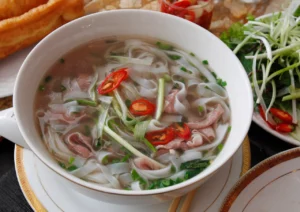
- PHO: Putting it across in simple words it is just a rustic, simple, rustic bowl of sweet, savoury broth, some rice noodle, a few slices of beef and some herbs to go along. Yet without a single doubt, it has become the heart and soul, the symbol of Vietnamese cuisine. Business Insider magazine has published a list of 40 most delicious dish in the world that everyone should try at least once. And the first name of the list comes as no surprise: our beloved pho. And it’s not there for no reason. Behind a seemingly plain bowl of pho are the compositions of a number of meticulously selected spices and ingredients, along with time taking a process of preparation and cooking. Pho has a place in every Vietnamese heart. It basically represents the Vietnamese culinary culture. You can find a pho restaurant everywhere you look in Vietnam, from the rural countryside to busy metropolis. You can enjoy this dish at any meal, whether it’s breakfast, lunch or breakfast, and even multiple times a day without feeling satiated.
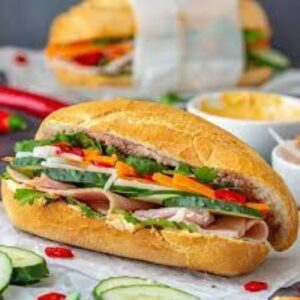
- BANH MI: A sandwich concept with goodness of ingredients dressed in between slit open bread. Banh mi is a phenomenon everywhere it reaches. And in Vietnam, all it takes is a minute walk from your hotel to the nearest alley to get a bite of this global food trend. Perhaps banh mi has become such an ordinary item within Vietnamese’s daily life that they have forgotten to make a standard recipe for it. Right in its birthplace, there are already so many different kinds, from pork skin banh mi in the south, to fish stick banh mi in the middle region, every banh mi maker has their own recipe, making a list of hundreds of variations that can only be found in Vietnam. Banh mi has followed Vietnamese footsteps to travel the globe, building famous brand such as Banh Mi Saigon in New York, Banh Mi Boys in Toronto, Banh Mi Ba in Prague, though you can even make your own banh mi at home, it will get nowhere near to taste as good as one from its home country.
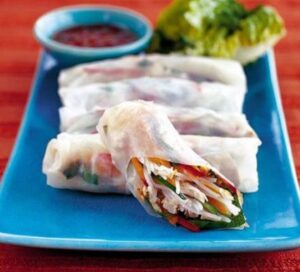
- FRESH VIETNAMESE SPRING ROLLS: In 2011, spring rolls made its appearance in CNN Travel’s “50 best dishes in the world”, becoming the runner-up and came in a close second only after pho for best Vietnamese dishes. Many are convinced that should there be a dish from Southeast Asia that is capable of rivalling Japanese’s finest – sushi, it would be spring rolls, based on the fact that it’s tasty, nutritious without putting you on weight.
Perhaps, spring rolls are one of the most “easy-going” dishes in Vietnamese culinary culture. You can either eat it as a quick, delicious meal to satisfy your rumbling tummy or enjoy as a fancy delicacy. It’s probably because of this attribute, with the fact that it has a signature flavor of North Vietnam or to be more specific, Hanoi, making it one of the most important, indispensable dish within the menus of every Vietnamese restaurant in the far West. The French named it “Rouleau de Printemps” – the rolls of spring. Maybe This is probably because of the combination of colors of spring rolls. Just take a bite, feel the chewiness of those rice papers, the juiciness of the pork and the sweetness of the shrimps, dipped in savoury sauce with a hint of spice, the freshness of raw vegetables, all come together to create a symphony of flavors. Spring rolls without the presence of its dipping sauce would only half as good. The savoury fish sauce deepens the flavor of the vegetables and fillings. From spring rolls, you can sense the balance of elements from ancient philosophy. It’s a gathering of the five tastes: the sweetness of the rice noodle, the savouriness of the eggs and meat, the heat of garlic and chili, the acridness of green bananas, the sourness of star fruits or pineapple, yet each of them only has a specific tone that is just right. Should one flavor out powers one another or become absent from the dish, the balance would be destroyed, leaving nothing but unsatisfied gastronomes.
SOME FACTS ABOUT VIETNAMESE FOODS:
A COLORFUL & FLAVORFUL BREAKFAST TO START THE DAY: Breakfast is the most important meal of the day, no doubt. Vietnamese have the same idea. It provides energy for you to make through the day, thus, Vietnamese rarely skips breakfast. Foreign travellers are especially impressed with how Vietnamese have their first meal of the day in moderation and how nutritious it is. Scarcely do travellers find Vietnamese have cereal, salad or sweet food for breakfast. Instead, they take their time to enjoy a big, wholesome meal, with banh mi, pho, rice, congee or a bowl of steaming hot sticky rice with dried pulled or braised pork, eggs to start the day right. Housewives in Vietnam also get up very early to prepare dishes for their family so they can make the most of the time their family are together.
ENJOYING DESSERTS AS SNACKY MEALS: Some humorous travellers take on Vietnam’s climate as “unforgivingly hot”. It’s more than true, but the Vietnamese have learned to adapt to this. They came up with refreshing desserts such as sweet soup or gruel, juice, mixed yogurt travellers coming to Vietnam will get the chance to enjoy these, and some dishes that really struck an impression are sweet bean soup, Thai sweet gruel, douhua, in common sense, these dishes are only used in small portions after the main dish, but the case is different in Vietnam. Vietnamese tend to have these as afternoon snacks, in small shops or vendors. This is why traveling to Vietnam requires a pot belly to experience all of it.
VIETNAMESE COFFEE CULTURE: Coming second only to Brazil in the field of coffee production, it’s not much of a surprise to see foreigners find the culture of this signature drink in Vietnam a bit odd. Being exquisitely flavourful, Vietnamese coffee will utmost certainly be a highlight of travellers’ holiday. Iced coffee with milk is a generally popular Vietnamese drink. In every town or city, foreign travellers can easily find a decent coffee shop on the street. It’s not a tough task to see Vietnamese enjoying their cup of black or brown coffee on every street. No need for big, fancy coffee shop, but only some plastic stools and a couple tables, and you’ll get a decent place to sip some caffeine with a view of the old quarters, or the busy streets in the breezy weather. Also, Vietnamese don’t waste their weekend morning by waking up really early to stop by a coffee shop for a chat with some friends or to read a good book.
FISH SAUCE AS A POPULAR FLAVOURING: It is and has been the key spice and sauce to Vietnamese dishes. You can’t call it a Vietnamese family meal without a small bowl of fish sauce in it. Fish sauce is made by brewing anchovies and salt until fermented. At the right point of time, the base sauce won’t retain such an overpowering flavor, but rather a pleasant taste. The sauce is elevated even more when combined with other ingredients. Fish sauce is the perfect dipping sauce for many Vietnamese dishes such as spring rolls, bun cha, sweet and sour grated salad were fish sauce to not exist, Vietnamese cuisine wouldn’t be able to stand where it is now among others.
FEW POPULAR INGREDIENTS USED IN VIETNAMESE COOKING:
- Cilantro: In salads, soups, spring rolls, and beyond. Widely used as the finishing touch garnish. Depending on your genetics, might taste soapy.
- Mint: Several varieties grow in Vietnam. Some are fuzzy, some taste lemony, some spearmint, others are spicy.
- Fish Mint or Fish Leaf: Ever tried fish mint? Wow, it’s really fishy. Appropriately named, this leafy herb has an awfully pungent smell and taste. You’ll think you wrapped actual fish into your spring roll, but really it’s just this sneaky leaf.
- Basil: More popular in Thailand but still makes an appearance in pho and on herb plates.
- Lime Leaf: Bright green and shiny. Somewhat bitter oils.
- Lemongrass: Tastes and smells, not surprisingly, like lemon. Used in both sweet and savoury dishes.
- Green Onions and Scallions
- Garlic Chives: Flat leaves with a delicate onion and garlic flavor.
- Perilla Leaf: Green on top, purplish on the underside with a complex flavor that combines liquorice, mint, and lemon all in one leaf.
- Dill: Hardly associated with Southeast Asian cuisine but used in a famous Vietnamese fish dish called Cha Ca, where it’s treated more like a veggie than an herb.
- Turmeric: Sometimes called poor man’s saffron, it adds a vivid goldenness to fried foods and some peppery flavor.
- Ginger and Galangal: Both knobby rhizomes, both pervasive in Vietnamese cooking.
- Saigon Cinnamon: There are different species of cinnamon in the world, and this one is indigenous to Vietnam. Woody, earthy flavor and aroma. Important in pho.
- Tamarind Pulp: Maybe this doesn’t belong on this list, but it needed to go somewhere. The sweet-sour pulp is used in noodle soups and curries.
Vietnamese cuisine also has influences from Champa, Malaysia and Cambodia. The use of coconut milk and various central dishes such as bánh khọt were influenced by Cham cuisine. Spices including curries were also introduced to Vietnam by Malay and Indian traders.[4] Though not common in the north, cà ri is a quite popular dish in central and southern Vietnam. The most common form is chicken curry, and to a lesser extent, goat curry. Chicken curry is an indispensable dish in many social gathering events, such as weddings, funerals, graduations, and the yearly death anniversary of a loved one. Similar to Cambodia, curry in Vietnam is eaten either with bread, steamed rice, or round rice noodles (rice vermicelli). Mắm bồ hóc or prahok, adopted from ethnic Khmer in Southern Vietnam, is used as a central ingredient of a Vietnamese rice noodle soup called bún nước lèo which originated with ethnic Khmers in Vietnam and is not found in Cambodia. Despite the varied landscape of Vietnam, all of the cuisine contains this brilliant balance of aromatics, heat, sweetness, sourness, and fish-sauciness. As with other Asian cuisines, it’s all about the yin and yang; the sweet and the salty, the cooling and the warming, the fresh and the fermented. Until now, Vietnam food is also regarded as one of the healthiest cuisines all over the world. As people usually say, “Vietnamese food is not only food, it is Vietnamese culture”. Vietnamese food is a harmonious combination of five basic spices: spicy, sour, sweet, salty, and bitter creating its distinctive flavor.
Overall to describe Vietnamese cuisine in a nutshell the following can be kept in mind:
The mainstream culinary traditions in all three regions of Vietnam share some fundamental features:
- Freshness of food: Most meats are only briefly cooked. Vegetables are eaten fresh; if they are cooked, they are boiled or only briefly stir-fried.
- Presence of herbs and vegetables: Herbs and vegetables are essential to many Vietnamese dishes and are often abundantly used.
- Variety and harmony of textures: Crisp with soft, watery with crunchy, delicate with rough.
- Broths or soup-based dishes are common in all three regions.
- Presentation: The condiments accompanying Vietnamese meals are usually colorful and arranged in eye-pleasing manners.
- Vietnamese cuisine is reflective of the Vietnamese lifestyle, from the preparation to how the food is served. Going through long phases of war and political conflict, as well as cultural shifts, the vast majority of the Vietnamese people have been living in poverty. Therefore, the ingredients for Vietnamese food are often very inexpensive but nonetheless, the way they are cooked together to create a yin–yang balance makes the food simple in appearance but rich in flavor.
- Because of economic conditions, maximizing the use of ingredients to save money has become a tradition in Vietnamese cooking. In earlier decades and even nowadays in rural areas, every part of a cow is used, from the muscle meat to the intestines; nothing is wasted. The higher quality cuts from farmed animals (cows, pigs) would be cooked in stir-fry, soup or other dishes, while the secondary cuts would be used in blood sausages or soup. The same goes for vegetables like scallions, the leafy part is diced into small bits which are used to add flavor to the food while the crunchy stalk and roots are replanted.
On a concluding note: the food of Vietnam is vivacious, delectable and a perfect treat for the palate. It is easy to adapt to and blend in its culture, taste, flavors, aromas, category of meats, fish, poultry, veggies and more. We need to promote this cuisine all over and make more and more aware of what’s happening around us and how it can help the tourism and culinary gastronomy.
Happy Cooking! – Chef Kaviraj Khialani.