- Daksh Kukreti, 17-year-old International tennis player from Ahmedabad, returns to training within 4 weeks of undergoing hernia surgery using the advanced da Vinci surgical robot
- The case led by a leading robotic hernia surgeon from Gujarat, Dr. Vishal Soni, highlights how this advanced technology enables precision, faster healing, and safer outcomes in sports injuries
NE SPORTS & HEALTH BUREAU
AHMEDABAD, SEPT 1
Seventeen-year-old international tennis player Daksh Kukreti from Ahmedabad is back on the court just four weeks after undergoing robotic-assisted surgery for a hernia caused by abdominal wall strain, a condition that often sidelines athletes for months. With India celebrating National Sports Day, Daksh’s swift recovery is a timely reminder of how modern surgical technology and surgical expertise are helping young athletes stay in the game and pursue their dreams without long interruptions.

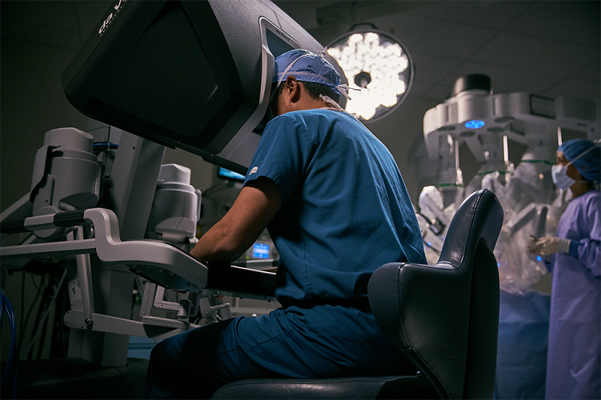
Robotic-assisted surgery, with advanced technologies like the da Vinci, allows for minimal incisions and tissue trauma, greater precision, safer and quicker rehabilitation compared to traditional procedures. For athletes like Daksh, this means minimal disruption to training schedules and an early return to competition, a crucial factor in high-performance sports. Dr. Vishal Soni, a leading robotic hernia surgeon from Gujarat, who performed this surgery, says that as robotics becomes more widely adopted in India’s sports surgery landscape, stories like Daksh’s are setting a new benchmark for hernia management and showcasing how technology can safeguard the careers of emerging sports talent.
Daksh, who has represented India at numerous international tournaments, described his return to the court as “incredible.” He said, “I was worried about being off the court for months, but the robotic surgery and the care I received from Dr. Vishal Soni made my recovery much faster than I imagined. Getting back to training feels amazing, especially as National Sports Day reminds us of the importance of staying active and committed to our goals. I’m also deeply grateful to my physio, coach, and support team, whose guidance and encouragement have been instrumental in getting me back to competitive form so quickly.”
His father, Pankaj Kukreti, said, “We were anxious about Daksh undergoing surgery at such a young age. What reassured us was the doctor’s clear guidance and the option of advanced robotic-assisted surgery, which promised faster recovery and minimal discomfort. Within a few weeks, he was back on the court, training without pain, and ready to compete internationally. We’re grateful such advanced expertise is available in India.”
Dr. Vishal Soni explained, “For athletes, open surgery is rarely ideal. Robotic-assisted repair offers unmatched accuracy, minimal pain, and faster rehabilitation. In Daksh’s case, the goal was to achieve a robust, long-lasting & safe repair along with ensuring that his career progression remained uninterrupted. As compared to other patients, in case of athletes, the repair has to be robust to be able to sustain strain in a short span of time, leaving absolutely no room for error. Stories like his are proof of how robotic surgery can protect the future of emerging sports talent in India. What’s particularly encouraging is that India is now fully equipped with advanced technology and skilled surgeons to handle such challenging case scenarios, so our athletes no longer need to travel abroad for world-class care.”
Robotic-assisted interventions are gaining momentum in India, particularly among young athletes balancing the pressures of competitive sports with the need for effective management of medical conditions like abdominal wall hernias. Experts believe that wider adoption of such advanced surgical technologies could redefine recovery standards, helping athletes maintain peak performance while minimizing the risk of prolonged absence due to injuries.
******