
How many more lives must be lost before political parties in Tamil Nadu realise that unchecked populism and spectacle-driven welfare cannot be substitutes for responsible governance? The tragic stampede in Karur, during a food and gift distribution drive organised by Tamilaga Vettri Kazhagam (TVK), has once again exposed the lethal consequences of neglecting basic safety in the pursuit of political visibility.
The deaths at Karur were not accidents in the truest sense of the word; they were preventable. When thousands are gathered in small spaces without crowd control, medical preparedness, or coordination with the authorities, disaster is only a matter of time. That the event was designed to showcase generosity makes the outcome all the more ironic — a gesture meant to help the poor ended in the loss of lives among the very people it sought to serve.
A pattern of negligence
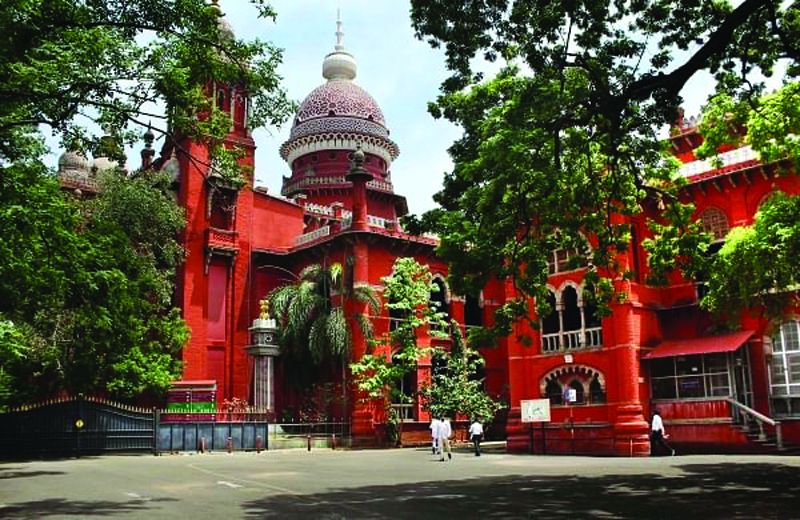
The Madras High Court’s swift intervention, seeking explanations from both the organisers and the State, is a necessary step. But the tragedy is part of a larger pattern. Tamil Nadu’s history is scarred with similar episodes: the 2004 Kumbakonam school fire, where 94 children perished due to administrative apathy; multiple temple stampedes in Tiruchirappalli, Cuddalore and other districts, where poor planning and lack of emergency preparedness cost lives; and political events in the past where tokenistic distributions have spiralled out of control.
Each tragedy is followed by outrage, inquiries, and promises of reform. Yet the lessons remain unlearnt, and the cycle repeats. The Karur stampede is only the latest entry in this grim ledger.
Beyond tokenism
The court’s inquiry must lead to more than just naming the guilty. What is needed is a framework of enforceable safeguards: mandatory permissions, crowd-risk audits, clear liability for organisers, and independent monitoring of events likely to draw large gatherings. The State government must accept its responsibility to regulate such functions, irrespective of which political outfit is in charge.
At its heart, the tragedy forces us to ask uncomfortable questions about the culture of welfare politics in Tamil Nadu. Handouts and public spectacles have long been tools of political legitimacy in the State. But true welfare lies in strengthening public systems — nutrition, healthcare, social safety nets — that deliver quietly, effectively, and without the need for orchestrated drama that endangers lives.
A call to conscience
The Karur stampede is not merely a local tragedy; it is a moment of reckoning for the State’s political culture. If the High Court’s intervention produces meaningful, enforceable change, Tamil Nadu may yet honour the memory of those who died. If not, this tragedy will be remembered as just another preventable disaster in a history marred by negligence and misplaced priorities.
It is time for political parties to abandon the temptation of spectacle, and for citizens to demand dignity in welfare rather than its dramatic display. Only then can Tamil Nadu move from symbolism to substance, ensuring that compassion is expressed through policy, not pageantry — and that lives are never again lost in the name of populism.