R ARIVANANTHAM
CHENNAI, OCT 24

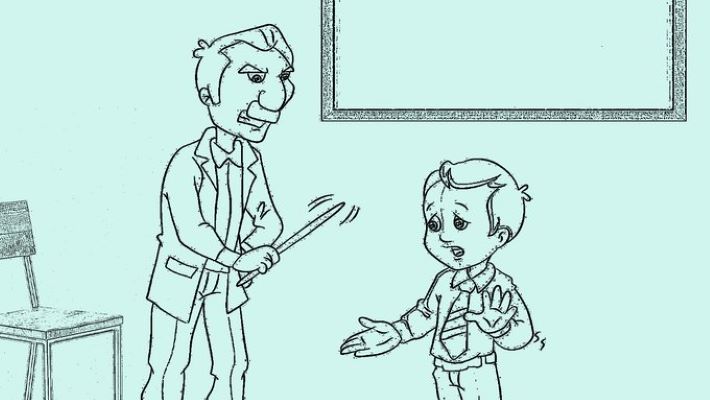
The Kerala High Court has quashed criminal proceedings against a school teacher who caned three Class 5 students fighting in the classroom, ruling that the teacher acted bona fide to enforce discipline with the aim of guiding students toward good conduct.
Justice C Pratheep Kumar noted that the students were fighting with sticks during class, prompting the Maths teacher to intervene. The court observed that the teacher used only minimal corporal punishment on the students’ legs, and no medical attention was needed. The incident was reported to police four days later, with no explanation for the delay.
- High Court upholds teacher’s right to enforce discipline, citing intent to build character, not harm
- Educationists stress balance between student safety, teacher autonomy, NEP vision, and timeless ethical wisdom from Thirukkural and Bhagavad Gita
“Since the petitioner had used only minimum corporal punishment, that too, only for enforcing discipline in the class, it is evident that he had no intention to cause any hurt to the students beyond what is required for enforcing the discipline in the class,” the court said in its October 16 order.
The judgment emphasized that the teacher’s intervention was intended to correct behavior and nurture students into responsible citizens. Justice Kumar referred to prior rulings stating that teachers acting in good faith for student welfare do not commit offences under the Juvenile Justice Act or IPC.
“When a parent entrusts a child to a teacher, he impliedly consents for the teacher to exercise authority to correct and guide the student. If the action is bona fide, it is within limits,” the court noted.
Ministerial and Educationist Views

Kerala Education Minister V. Sivankutty welcomed the verdict: “Teachers must have the authority to maintain discipline in the classroom. The government will ensure that educators are supported while exercising their duties responsibly.”
Educationists stressed the transformative role of teachers in shaping disciplined, morally grounded students:
Dr. Meera Subramanian, Chennai: “Teachers are mentors modeling values, self-control, and civic responsibility. The NEP 2020 emphasizes holistic education, and teachers’ judicious discretion is essential for character formation.”
Prof. Rajesh Patel, Ahmedabad: “Legal overreach may discourage teachers from guiding students. This ruling strikes a balance between safety and authority while encouraging ethical education.”
Dr. Kavita Ramesh, Vadodara: “State education acts empower teachers to maintain discipline, but it must always be exercised responsibly, with empathy and fairness.”
Timeless Wisdom: Guiding Students Beyond Textbooks
This case also resonates with ethical teachings from Indian philosophy:
- Thirukkural (Kural 395):
“அகர முதல எழுத்தெல்லாம் ஆதி பகவன் முதற்றே உலகு”
(“Just as the alphabet begins with A, the world begins with the teacher who imparts knowledge.”)
- Bhagavad Gita (Chapter 2, Verse 47):
“Karmanye vadhikaraste Ma Phaleshu Kadachana”
(“You have the right to work, but not to the fruits thereof.”)
These quotes underline that teachers act with duty, not for reward, guiding students’ moral, intellectual, and civic development. Teachers’ discipline, applied thoughtfully, transforms learners into good citizens, upholding the ideals of ‘Nagarik Devo Bhava’ and NEP’s holistic vision.
Legal and Social Implications
The Kerala High Court’s verdict highlights the delicate balance between enforcing discipline and ensuring student safety. Experts emphasize teacher training in non-violent methods while recognizing situations demanding immediate corrective action.
As Indian schools implement the NEP framework, the ruling reinforces the need to trust teachers, empower them ethically, and protect students, creating an environment where discipline, character, and civic values flourish.
“Education is not just about knowledge; it is about shaping hearts, minds, and society,” noted Dr. Subramanian. “This ruling, paired with ethical wisdom from Thirukkural and Gita, reminds us that true learning integrates knowledge, discipline, and virtue.”