

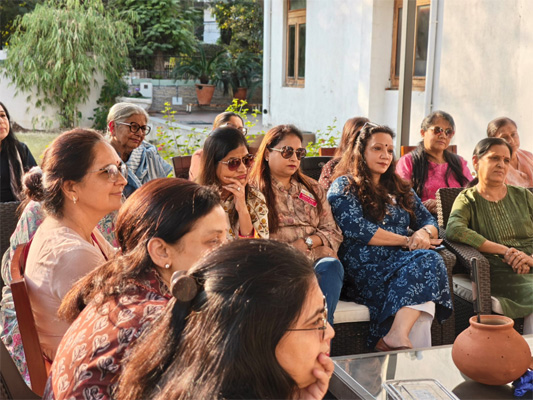

- Rotary Club session highlights kitchen gardening as a tool for health and climate action
- Home composting promoted as a simple, everyday solution to urban waste
- Experts call for organic habits and medicinal plants in every household
NE ENVIRONMENT BUREAU
BHAVNAGAR, DEC 30
The Rotary Club of Bhavnagar Vibrant organised an insightful and action-oriented session on Kitchen Gardening and Home Composting on Monday, underscoring how small household practices can collectively lead to major environmental and health benefits.
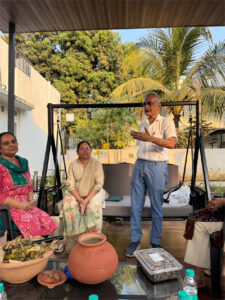
The programme brought together medical professionals and community leaders to demonstrate how urban families can move towards self-sufficiency, waste reduction, and chemical-free nutrition through simple, sustainable methods.
Composting at Home: Turning Waste into Wealth
Addressing the gathering, Dr. Ami Trivedi, a pathologist by profession, stressed that home composting is one of the most effective ways to reduce household waste while enriching soil health.
“Dry leaves and everyday kitchen waste are enough to create nutrient-rich compost at home. When we compost organically, we not only reduce landfill burden but also take a conscious step towards sustainable living,” Dr. Trivedi said.
She explained easy, practical techniques that can be adopted even in apartments, making composting accessible to all. To translate learning into action, she distributed seed packets to all participants, encouraging them to begin kitchen gardens in their own homes.
Medicinal Plants and Microgreens for Everyday Wellness
The session was further enriched by Dr. Bharatbhai Patel, a surgeon, who highlighted the importance of growing medicinal plants and microgreens at home.
“Microgreens and medicinal plants can be grown with minimal space and effort, yet they deliver maximum nutritional and health benefits. A small kitchen garden can become a family’s first line of preventive healthcare,” Dr. Patel observed.
He demonstrated simple methods of growing microgreens indoors and spoke about their role in boosting immunity, improving digestion, and enhancing overall wellbeing.
Community Leadership for Green Change
Club President Namrita Chadha emphasised that environmental responsibility begins at home and grows stronger through community action.
“Kitchen gardening and home composting empower families to live healthier lives while caring for the planet. When communities adopt such practices together, sustainability becomes a shared movement rather than an individual effort,” Chadha said.
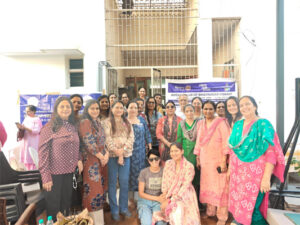
The programme was attended by Club Secretary Sunita Shah, Project Chair Tejal Vyas, and 25 club members, all of whom actively participated in discussions and demonstrations. The session concluded with a renewed commitment to adopt eco-friendly habits and promote green living within the community.
HIGHLIGHTS: BENEFITS OF A KITCHEN GARDEN
- Fresh, chemical-free produce for daily consumption
- Reduced household expenses on vegetables and herbs
- Improved nutrition and immunity through home-grown greens
- Lower carbon footprint by cutting food miles
- Mental well-being and stress relief through gardening
- Better waste management when combined with home composting