- Hospital’s burn ICU, collagen-based biological dressings and rapid ‘golden hour’ response defy grim 10% survival odds in severe paediatric burns
- Charity wing and donors absorb treatment costs as clinicians declare: “Saving lives is always our priority—not making money”
- Critical awareness message: poor ventilation, delayed response and ignored early symptoms turn bathrooms into deadly chambers
- Survivor Shivam walks free after extraordinary multidisciplinary intervention, expressing heartfelt gratitude to medical team
NE HEALTH BUREAU
AHMEDABAD, FEB 20
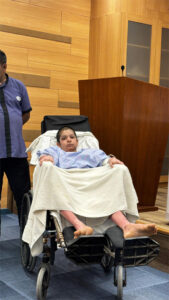
In a rare medical triumph that blends advanced burn science with compassion-driven care, Sterling Hospitals in Ahmedabad has saved the life of a 10-year-old boy who suffered devastating 86 percent burns following a gas geyser blast, overcoming survival odds of barely 10 percent.
The young survivor from Chittorgarh, Rajasthan, and his father were critically injured when a gas geyser explosion engulfed their bathroom on January 18, 2026—an accident doctors say highlights the hidden dangers of thermal burns, inhalation injury, and carbon monoxide poisoning, the latter often the most lethal because it silently starves the brain and heart of oxygen even without visible burns.
Charity, science and speed: hospital’s defining feat
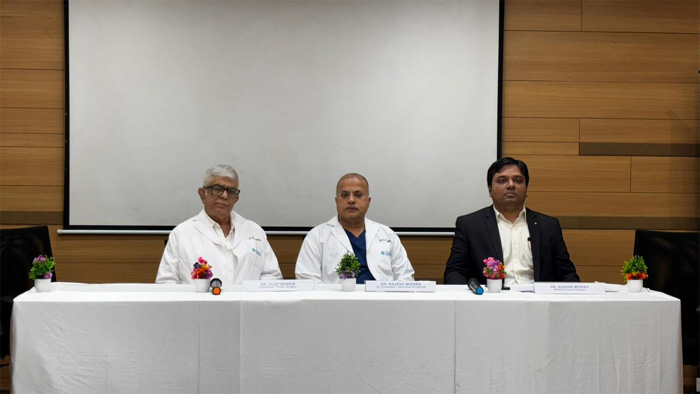
Dr Vijay Bhatia, Consultant Plastic Surgeon, who led the life-saving intervention, emphasised that survival in such extreme burn cases requires not just clinical precision but humanitarian commitment.
“Patients with more than 86 percent burns, particularly children, have barely 10 percent survival chances. Early biological dressing, infection control and organ support saved Shivam. Importantly, the hospital has met the treatment cost through its charity wing and generous donors. Saving lives is always our priority—not making money,” said Dr Bhatia.
Doctors confirmed Shivam sustained predominantly second-degree burns. Early application of collagen-based biological skin coverings, combined with burn ICU care, stabilised vital functions and accelerated healing.
His father, who suffered 37 percent burns, also recovered under the same multidisciplinary care.
The silent killer: carbon monoxide’s invisible attack
Doctors used the case to warn the public that gas geyser accidents often cause carbon monoxide poisoning, which can be more dangerous than burns.
Carbon monoxide binds to haemoglobin 200 times more strongly than oxygen, starving the brain and heart. Victims may experience early symptoms such as:
- Headache
- Dizziness
- Fatigue
- Confusion
- Breathlessness
These are frequently ignored—leading to sudden unconsciousness or death.
“Carbon monoxide poisoning can become fatal without burns because the brain suffers irreversible injury within minutes. Immediate oxygen therapy and ventilatory support during the golden hour can reverse damage and save lives,” doctors explained.
Golden hour intervention: what saved Shivam
Dr Rajesh Mishra, Consulting Senior Intensive Care Specialist, highlighted the critical care strategy and public safety lessons.
“Extensive burns in a child require continuous monitoring and precise critical care management. Our focus was maintaining fluid balance, preventing infection, stabilising organs and protecting the airway. Equally important is public awareness—escaping the accident site immediately, ensuring ventilation, and seeking urgent medical care can mean the difference between life and death,” said Dr Mishra.
Emergency burn management involved:
- Immediate airway stabilisation and oxygen therapy
- Fluid resuscitation to prevent shock
- Biological dressings to protect skin
- Infection prevention protocols
- ICU monitoring and organ support
Doctors said over 60 percent of severe burn or inhalation victims require ICU care, and many need ventilator support.
Bathrooms: the most dangerous room in the house
Doctors warned that bathrooms with poor ventilation are particularly high-risk zones.
Gas geysers consume oxygen and release carbon monoxide in enclosed spaces. Without ventilation, victims may collapse within minutes.
Preventive measures include:
- Installing geysers outside bathrooms
- Ensuring proper ventilation
- Using carbon monoxide detectors
- Regular maintenance
- Immediate exit if dizziness or breathlessness occurs
“Gas geyser accidents are almost entirely preventable,” doctors stressed.
Multidisciplinary precision delivers miracle recovery
The hospital’s plastic surgeons, intensivists, anaesthesiologists, infection control experts and nursing teams worked in seamless coordination.
Santosh Marathe, MD & CEO, Sterling Hospitals, said:
“This case highlights the importance of teamwork and timely treatment. Managing severe burns in children demands specialised expertise and compassionate care, both of which our team delivered with exceptional commitment.”
Raman Bhaskar, Zonal Director, added:
“Treating 86 percent burns in a child requires coordinated multidisciplinary excellence. We are proud of our clinicians for ensuring a positive outcome in such a challenging case.”
Remarkably, the boy recovered rapidly and was shifted out of ICU within days.
Expressing emotional gratitude, the boy said: “I thank the doctors and nurses for saving my life. They took great care of me and helped me recover.”
Lifesaving awareness: doctors’ key message to the public
Doctors stressed that timely intervention during the golden hour can prevent brain damage, organ failure and death, while delayed treatment drastically reduces survival chances.
Long-term complications of severe burns and carbon monoxide poisoning can include:
- Neurological damage
- Heart injury
- Organ failure
- Chronic disability
“This case proves that survival is possible with rapid treatment—but prevention is always safer,” doctors said.