NE HEALTH BUREAU
BENGALURU, APR 17
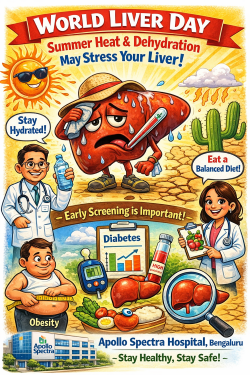
As soaring summer temperatures grip cities, doctors are flagging a less-discussed but critical health concern—the silent stress on liver function caused by dehydration and metabolic strain. On the occasion of World Liver Day, experts from Apollo Spectra Hospital have issued a timely advisory, urging people to prioritise hydration, nutrition, and early screening to safeguard liver health.
- World Liver Day Spotlight: Rising temperatures, dehydration add pressure on liver function
- Metabolic disorders like obesity & diabetes heighten risk of liver complications
- Silent symptoms often missed, early screening emerges as critical lifeline
- Apollo Spectra experts stress hydration, nutrition & lifestyle discipline
- MASLD burden surges globally, India faces growing public health challenge
- Simple daily habits can shield liver from long-term damage
According to specialists, prolonged exposure to heat can lead to dehydration and reduced blood volume, impacting circulation and metabolic processes. This, in turn, places additional burden on the liver—especially in individuals with pre-existing metabolic conditions such as obesity and Type 2 Diabetes.
Dr Amit G Yelsangikar, Consultant Gastroenterologist at Apollo Spectra Bengaluru, said,
“Higher temperatures during summer can increase the risk of dehydration, which may affect blood circulation and liver metabolism. Maintaining adequate hydration and balanced nutrition is important to support liver function, particularly among individuals with metabolic risk factors.”
The concern is amplified by the rising prevalence of Metabolically Associated Steatotic Liver Disease (MASLD), a condition closely linked to sedentary lifestyles and metabolic dysfunction. A large-scale study published in The Lancet Regional Health – Southeast Asia, based on the Phenome India cohort covering over 7,700 adults across 27 cities, highlights the growing burden of liver disease in the country. Globally, MASLD is estimated to affect nearly 25–50% of adults, particularly those with obesity, insulin resistance, and unhealthy lifestyles.
Doctors caution that early warning signs of liver stress are often subtle—ranging from fatigue and nausea to reduced appetite and abdominal discomfort—making timely diagnosis challenging.
Dr Sunil Kumar B Alur, Consultant Surgeon at Apollo Spectra Bengaluru, said,
“Liver-related concerns may not always present with clear symptoms in the early stages. That is why timely screening, healthy food habits and attention to metabolic health are important for prevention and early management.”
Health experts recommend a few simple yet effective measures to protect liver health during summer:
- Stay well-hydrated throughout the day
- Include water-rich fruits and vegetables in meals
- Limit processed, fatty, and sugary foods
- Avoid alcohol consumption
- Seek medical advice if symptoms persist
With metabolic liver disease emerging as a major public health concern, the message from experts is clear: prevention begins with awareness. Small, consistent lifestyle choices—especially during extreme weather—can make a significant difference in protecting one of the body’s most vital organs.