NE POLITICAL BUREAU
NEW DELHI, APR 19
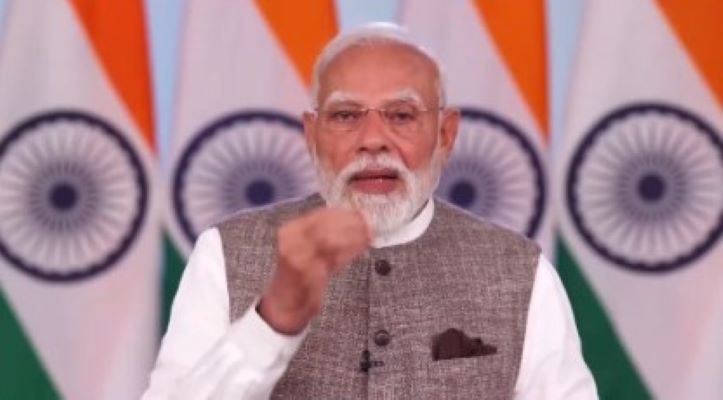
In a sharply worded national address following the defeat of the Nari Shakti Vandan Adhiniyam Amendment in Parliament, Narendra Modi apologised to the country’s women while launching a strong political offensive, calling the setback a “blow to dignity” and vowing to remove every obstacle to women’s reservation in the future.
देश को सशक्त बनाने वाले हर प्रयास में बाधाएं खड़ी करने के लिए कांग्रेस अपनी पूरी शक्ति लगा देती है। इसके एक नहीं अनेक उदाहरण हैं… pic.twitter.com/GTSu0YPres
— Narendra Modi (@narendramodi) April 19, 2026
Addressing the nation, Modi said, “Despite our utmost and sincere efforts, we have not succeeded… I deeply apologize to all the mothers and sisters of the nation.” He described the failure of the amendment as “crushing the legitimate dreams of the female population.”
- PM apologises to women, calls bill defeat a setback to dignity and progress
- Opposition accused of ‘selfish politics’ and blocking historic reform
- “Women never forget an insult to their pride,” PM warns of electoral accountability
- Government reiterates commitment to push women’s reservation despite setback
- Dynastic politics, fear of grassroots women leaders cited as key opposition motive
- Debate widens to reforms, federal balance and long-pending policy battles
Framing the issue as one of dignity and long-term political memory, he asserted, “Women may forget everything else, but they never forget an insult to their pride.”
Sharp attack on Opposition, defence of reform agenda
The Prime Minister accused opposition parties of prioritising politics over national interest. “Nation’s welfare is our priority, but when political benefit becomes bigger than the nation’s welfare, women have to bear the burden,” he said.
He alleged that parties opposing the bill had “snatched away women’s rights” and that “thumping the tables… was an assault on the dignity of women, on their self-respect.”
Taking aim at what he described as entrenched political structures, Modi said, “One major reason for opposition… is fear—fear that empowered women outside their families will challenge their leadership.”
‘Mahayagya’ for women’s empowerment, not political credit
Calling the amendment a transformative step, the Prime Minister said, “Nari Shakti Vandan Adhiniyam was a Mahayagya to empower women of the 21st century.”
He added that the legislation aimed to “make women equal co-travelers in India’s development journey” and expand political participation without reducing representation for any state.
Rejecting claims of political gain, he stated, “This issue was never about taking credit; it was about securing rights.”
Electoral warning and future resolve
In one of his strongest remarks, Modi said, “For opposing women’s reservation, the opposition will be punished for the sin they have committed.”
He added that women across India would remember those who “celebrated when their rights were blocked.”
Reaffirming commitment, he said, “We will remove every obstacle coming in the way of women’s reservation… The blessings of 100 percent Nari Shakti are with us.”
Broader political context and reform narrative
The Prime Minister linked the setback to a wider pattern of resistance to reforms, citing past opposition to initiatives such as financial inclusion, digital payments, GST and social legislation.
He argued that delays in key decisions over decades had slowed India’s progress, adding, “Generations have suffered due to indecision and deceit.”
Positioning the moment as part of a larger ideological battle, he said, “This is not just about one bill, but a fight against a deeply negative, anti-reform mentality.”