NE HEALTH BUREAU
CHENNAI, MAY 5
On the occasion of World Asthma Day, medical experts at Apollo Spectra Hospital Chennai have issued a strong advisory on the rising burden of asthma, especially during Chennai’s hot and humid summer, stressing the need for early diagnosis, trigger control, and strict adherence to treatment to ensure better quality of life for patients.
Asthma remains one of the most widespread chronic respiratory diseases globally. According to the World Health Organization, it affects an estimated 363 million people worldwide, causing around 442,000 deaths annually, largely concentrated in low- and middle-income countries due to underdiagnosis and inadequate treatment.
- World Asthma Day spotlight on early diagnosis and disciplined treatment adherence for better lung health
- Doctors flag rising urban pollution, humidity and seasonal allergens as key triggers in summer flare-ups
- India carries 13% of global asthma burden, with over 34 million affected and growing cases in cities
- Experts caution against self-medication, stress inhaler discipline and routine follow-ups for control
- Improper inhaler use and delayed diagnosis remain major causes of worsening respiratory outcomes
- Timely care and trigger management can significantly reduce hospitalisation and severe attacks
In India, the burden is particularly severe, with over 34 million people living with asthma, accounting for nearly 13% of the global load, underscoring the urgent need for improved awareness and structured care pathways.
Doctors warn that the situation is worsening due to rising air pollution, rapid urbanisation, and shifting weather patterns, all of which intensify respiratory stress. Summer conditions, marked by humidity, dust, pollen, and airborne pollutants, often trigger flare-ups across all age groups.
Asthma, a chronic inflammatory airway disorder, typically presents with wheezing, breathlessness, chest tightness, and persistent coughing. Experts emphasise that early recognition of symptoms and prompt medical intervention can significantly reduce complications.
“Environmental triggers such as air pollution, dust exposure, and seasonal allergens are among the leading causes of asthma flare-ups today, especially in urban settings. What’s concerning is that many patients delay diagnosis or rely on symptomatic relief instead of structured treatment. Early diagnosis, along with regular use of prescribed inhalers and trigger avoidance, plays a critical role in preventing frequent exacerbations and improving long-term respiratory health. It is also imperative to diagnose correctly and be mindful of treatable traits along with asthma. Aspergillus Fungus colonisation is a detrimental consequence of untreated and poorly managed Asthma.” said Dr Indranil Banerjee, Pulmonology Specialist at Apollo Spectra Hospital, Alwarpet.
Doctors further caution that self-medication and ignoring mild symptoms often lead to disease progression and severe attacks, making regular monitoring essential.
“A significant challenge in asthma management is poor inhaler adherence and incorrect usage techniques, which can reduce treatment effectiveness. Patients need to be educated not just about medication, but also about identifying personal triggers and monitoring symptoms. With a proactive approach that includes routine follow-ups and adherence to therapy, most asthma-related complications and hospitalisations can be effectively prevented.” said Dr Rajkumar K, Pulmonology Specialist at Apollo Spectra Hospital, MRC Nagar.
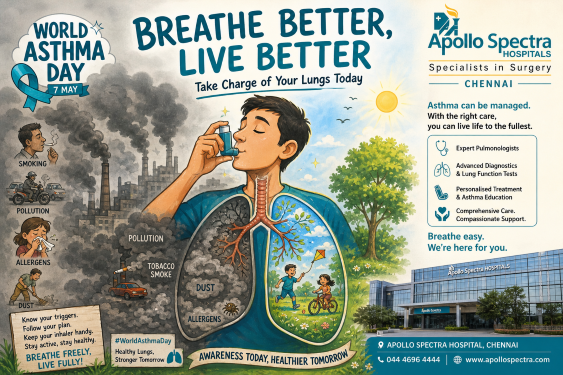
Common Asthma Triggers
- Dust, pollen and air pollution
- Smoke and strong odours
- Weather changes and high humidity
- Respiratory infections
- Physical exertion in some individuals
Key Preventive Measures
- Identify and avoid personal triggers
- Use prescribed inhalers regularly and correctly
- Maintain clean, dust-free indoor environments
- Monitor symptoms and lung function regularly
- Seek timely medical consultation during worsening symptoms
Experts conclude that as respiratory illnesses continue to rise in urban India, awareness, preventive action, and disciplined treatment adherence remain the strongest tools to reduce asthma complications and improve long-term outcomes.