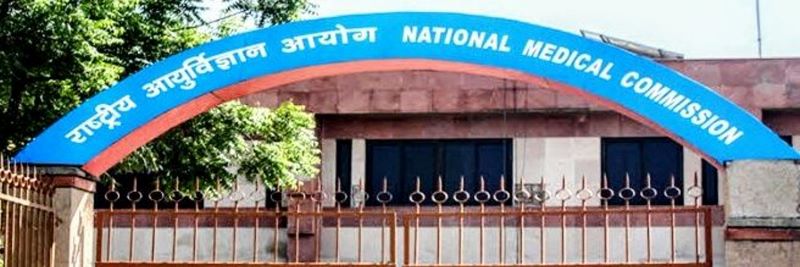
NE HEALTH BUREAU
NEW DELHI, MAY 28
In a major relief to medical graduates and healthcare institutions across the country, the National Medical Commission (NMC) has extended permission for conducting Compulsory Rotating Medical Internship (CRMI) in recognised non-teaching hospitals till May 2028.
The decision is being viewed as a significant step towards addressing internship shortages, expanding hands-on clinical exposure and strengthening India’s healthcare delivery ecosystem amid rising demand for trained medical professionals.
- National Medical Commission extends permission for Compulsory Rotating Medical Internship in recognised non-teaching hospitals till May 2028
- Move expected to benefit thousands of MBBS graduates awaiting internship placements
- Extension aims to ease pressure on teaching hospitals and expand clinical training exposure
- Healthcare experts say decision could improve rural and semi-urban medical service delivery
- Medical fraternity welcomes move as a practical step towards strengthening India’s healthcare workforce
The extension is expected to directly benefit thousands of MBBS students who depend on internship opportunities for completing their medical education and obtaining registration eligibility.
Relief for Medical Graduates Facing Internship Pressure
Medical education experts say the extension comes at a crucial time when several teaching hospitals continue to face infrastructure constraints and rising student intake levels.
Allowing recognised non-teaching hospitals to continue offering CRMI programmes is expected to:
- Reduce pressure on overcrowded teaching institutions
- Increase internship availability
- Provide wider clinical exposure to students
- Improve patient-care experience in diverse healthcare settings
Healthcare administrators believe the move will particularly help students in states witnessing rapid expansion of medical colleges and MBBS seats.
Expanding Clinical Exposure Beyond Traditional Teaching Hospitals
The Compulsory Rotating Medical Internship is considered one of the most critical phases in medical education, where students undergo practical training across departments including medicine, surgery, paediatrics, obstetrics and emergency care.
By extending permissions to recognised non-teaching hospitals, the NMC is also enabling young doctors to gain exposure to:
- High patient-volume healthcare facilities
- Community healthcare practices
- Rural and semi-urban medical challenges
- Specialised treatment environments outside academic institutions
Medical experts say such exposure is essential for preparing industry-ready healthcare professionals capable of handling real-world medical situations.
Healthcare Experts Welcome NMC Decision
Senior doctors and hospital administrators welcomed the extension, calling it a pragmatic and student-friendly move.
A senior healthcare administrator associated with a multi-speciality hospital network said:
“The extension will significantly ease internship bottlenecks and create better opportunities for MBBS graduates to gain practical clinical experience. Non-teaching hospitals today handle enormous patient loads and offer valuable learning ecosystems comparable to large academic institutions.”
Medical education observers also noted that the move could help improve healthcare accessibility in underserved regions by integrating interns into broader hospital networks.
Strengthening India’s Healthcare Workforce
The NMC’s latest decision aligns with the Centre’s larger push to expand India’s healthcare infrastructure and medical education capacity.
Over the last few years, India has witnessed:
- Rapid growth in medical colleges
- Increase in MBBS seats
- Expansion of district-level healthcare institutions
- Greater emphasis on healthcare workforce development
Experts believe the continuation of CRMI permissions in recognised non-teaching hospitals till 2028 could play a crucial role in supporting India’s long-term healthcare capacity-building goals.