- Massive ecological restoration at Chhattisgarh’s PEKB mine showcases sustainable mining in action
- Over 568 hectares rejuvenated with native species as biodiversity returns to reclaimed land
- Company plants 40 trees for every tree felled, recording an impressive 88% survival rate
- Target set to cross four million trees by decade-end while strengthening forest ecosystems
- Community development, mine reclamation and environmental stewardship converge in one of India’s largest green restoration initiatives
NE ENVIRONMENT BUREAU
NEW DELHI, JUNE 7
In what is emerging as one of India’s most ambitious examples of ecological rehabilitation, Adani Enterprises Ltd has transformed vast stretches of mined land at the Parsa East and Kanta Basan (PEKB) coal mine in Chhattisgarh’s Surguja district into thriving green cover by planting more than 1.6 million trees and saplings across 568 hectares.
The large-scale restoration initiative demonstrates how exhausted mining landscapes can be revived into sustainable ecosystems, setting a benchmark for responsible mining practices and post-extraction environmental management.
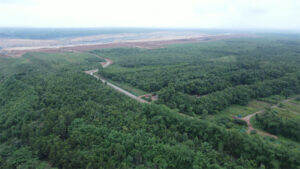
Operating the mine as the developer and operator for Rajasthan Rajya Vidyut Utpadan Nigam Ltd (RVUNL), the company now aims to expand the green cover to over four million trees by the end of this decade, significantly enhancing biodiversity while restoring ecological balance across the mining zone.
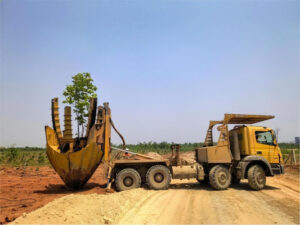
A cornerstone of the programme is its aggressive compensatory plantation strategy, under which 40 trees are planted for every tree removed during mining operations. Native species such as Sal, Mahua, Tendu, Amaltas and Sidha have been replanted, with the afforestation drive achieving an impressive 88 per cent survival rate, reflecting careful ecological planning and long-term maintenance.
The Union Coal Ministry has lauded the initiative, describing the restoration of the PEKB mine as a model for sustainable transformation.
“After coal extraction, the journey of a mine does not end—it marks the beginning of ecological restoration and sustainable transformation.”
Calling the project a benchmark for environmentally responsible mining, the Ministry further stated:
“The Parsa East & Kanta Basan (PEKB) Mine in Surguja, Chhattisgarh, stands as a remarkable example of this commitment.”
Highlighting the dramatic transformation of the once-active mining site, it added:
“Once an active mining site, the area has now been transformed into a lush green landscape, reflecting how responsible mining practices and environmental conservation can go hand in hand.”
Emphasising the broader significance of mine reclamation, the Ministry observed:
“Today, the PEKB Mine is a living testament to the fact that mine closure can pave the way for a greener, more sustainable future.”
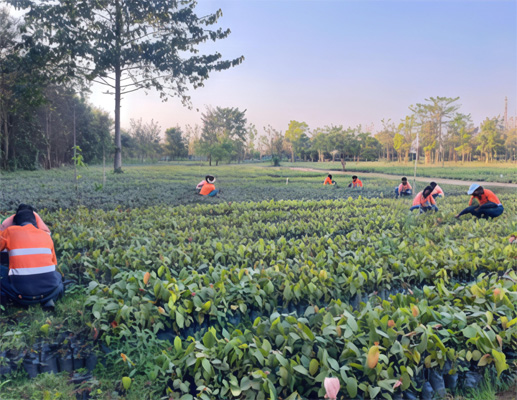
Supporting its afforestation programme, Adani has established a 3.5-hectare nursery that nurtures nearly 500,000 saplings, while also recording successful natural regeneration of Sal forests, one of central India’s most ecologically significant native ecosystems.
Beyond the mine lease area, the company has undertaken compensatory afforestation across more than 4,000 hectares spanning the forest divisions of Surguja, Korea, Balrampur and Surajpur. Officials said the company has also deposited over Rs 259 crore with the Chhattisgarh government towards afforestation, wildlife conservation and other environmental safeguards.
The restoration programme integrates ecological rehabilitation with community development, combining landscape regeneration with initiatives in education, healthcare and livelihood enhancement for local residents.
Officials said the company continues to comply with all statutory forest and environmental clearance conditions while regularly submitting monitoring reports to both state and central authorities, reinforcing its commitment to transparent and sustainable mining practices.
As India seeks to balance energy security with environmental conservation, the transformation of the PEKB mine from a coal-producing landscape into a flourishing green ecosystem offers a compelling example of how industrial development and ecological restoration can evolve together.