- Ailing 48-year-old elephant shifted from Assam to Jamnagar after public concern, welfare appeals and official clearances
- Years of suffering from deformity, lameness, infected wounds, dehydration and failing vision to be addressed through specialised long-term care
- Vantara to provide hospital treatment, pain management, hydrotherapy, acupuncture, nutrition support and a permanent habitat tailored to her wellbeing
- Maniki’s rescue highlights how public compassion, institutional coordination and responsible ownership can transform the fate of distressed animals
NE ENVIRONMENT BUREAU
JAMNAGAR, JUNE 24
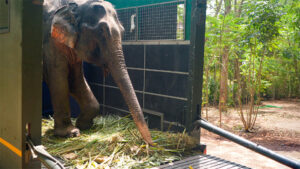
After years of walking through pain, Maniki, a 48-year-old elephant burdened by age, injury and neglect-linked health complications, has arrived at Vantara in Jamnagar for specialised treatment and long-term care — a move that animal welfare advocates see as both a rescue and a powerful reminder of the need for humane, science-backed care for ageing captive elephants.
For Maniki, every step had become a struggle. A long-standing deformity in her left front leg had severely affected her gait and mobility, while a host of other health concerns — including infected wounds, dehydration, poor body condition and impaired vision in one eye — had further deepened her suffering in recent years.
Her plight drew national attention after a video surfaced showing her limping painfully along a highway in Assam while being taken for medical treatment. The visuals triggered a wave of concern among citizens, animal welfare advocates and members of the public, with petitions, appeals and calls for urgent intervention gathering momentum across the country.
Recognising that Maniki required sustained hospital-based treatment rather than temporary relief, her owner, Ruchi Chetia, wrote to the Supreme Court-appointed committee for rescue and care of suffering wild animals, seeking permission for her transfer to Vantara for advanced treatment and lifelong care. Following the required approvals from the committee and the governments of Assam and Gujarat, Maniki was safely transported to Jamnagar.
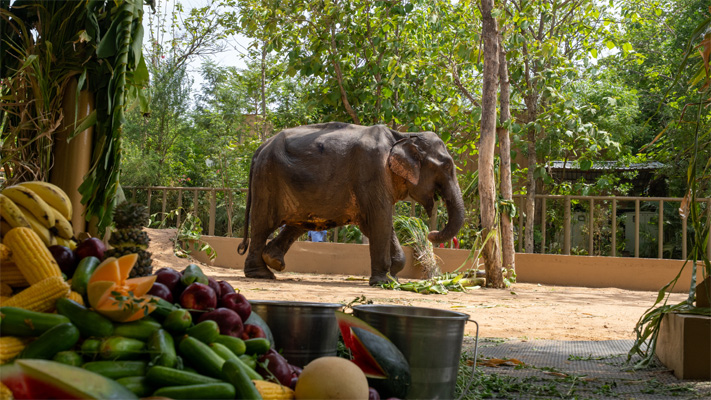
At Vantara, she will now receive advanced veterinary treatment, structured rehabilitation and a permanent environment designed around her comfort, health and behavioural needs.
A Vantara spokesperson said: “Maniki’s health report indicates that she requires comprehensive veterinary attention in a protected and specialised care environment. Her impaired gait, lameness, dehydration, poor body condition, infected wounds, and other health concerns make a structured long-term treatment plan essential. Our immediate priorities include pain management through medication, hydrotherapy, and acupuncture, along with wound care and nutritional rehabilitation, all guided by her welfare and recovery needs. We are grateful to the authorities for their timely intervention and to Mr. Ruchi Chetia for his informed decision, which helped enable Maniki’s transfer to Vantara for the urgent care she requires.”
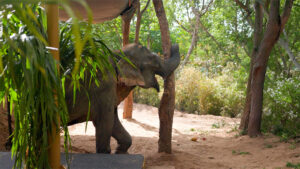
But Maniki’s recovery will extend beyond medicine. Vantara has planned a care ecosystem intended to reduce stress on her injured limb and improve her quality of life: soft soil and natural substrates to ease pressure while walking, access to natural ponds to relieve the weight on her limbs, opportunities to forage naturally, and the companionship of other elephants — all critical elements in restoring not just physical health, but also comfort and dignity.
Her rescue underscores an increasingly important conservation and welfare lesson: that the future of distressed captive wildlife depends not only on medical infrastructure, but also on public vigilance, ethical ownership and coordinated institutional response. In Maniki’s case, the combined efforts of concerned citizens, authorities, caregivers and welfare advocates helped alter the course of a life that had been marked by prolonged suffering.
For Maniki, the painful walks may finally be over. At Vantara, her next chapter begins not in distress, but in healing, protection and peace.