
- High-risk senior patient with pancreatic cancer and liver cirrhosis makes a remarkable recovery after one of oncology’s most complex robotic procedures
- Advanced robotic surgery enables complete tumour removal with minimal blood loss, tiny incisions and discharge in just five days
- Sterling Hospitals, Sindhu Bhavan emerges among India’s select centres performing highly specialised robotic pancreatic cancer surgeries
- Medical feat showcases how precision robotics is transforming outcomes for elderly cancer patients with multiple health complications
- Case reinforces Gujarat’s growing stature as a destination for world-class, technology-driven cancer care with faster recovery and enhanced quality of life
NE HEALTH BUREAU
AHMEDABAD, JULY 1
In a remarkable medical milestone that underscores the transformative power of robotic technology in modern oncology, Sterling Hospitals, Sindhu Bhavan, Ahmedabad, has successfully performed an advanced robotic surgery on a 70-year-old woman diagnosed with pancreatic cancer and multiple co-existing medical conditions, enabling her to make a rapid recovery from one of the most challenging procedures in cancer care.
The complex operation not only achieved complete removal of the tumour but also demonstrated how precision robotic surgery can dramatically reduce surgical trauma, minimise blood loss and accelerate recovery—even among elderly patients with significant health risks.
The patient, who was also suffering from early-stage liver cirrhosis and other comorbidities, was diagnosed with pancreatic cancer at a stage where the tumour remained completely resectable. However, her age and underlying illnesses presented formidable challenges in selecting the safest and most effective treatment strategy.
Pancreatic cancer surgery is globally recognised as one of the most technically demanding procedures in surgical oncology, often associated with prolonged operations, higher complication rates and lengthy hospitalisation. For elderly patients, these risks become substantially greater, making precision, surgical expertise and multidisciplinary care indispensable.
After an exhaustive clinical evaluation and detailed consultations with the patient and her family, Sterling Hospitals’ multidisciplinary cancer team opted for robotic-assisted pancreatic surgery, aiming not only to achieve complete cancer clearance but also to minimise surgical stress and ensure the fastest possible recovery.
The robotic procedure was completed successfully with no major blood loss and without the need for large surgical incisions. The cancerous tumour was completely removed, fulfilling the primary objective of curative treatment.
In an outcome that highlights the advantages of robotic-assisted surgery, the patient was discharged just five days after the operation and made a complete recovery within three weeks, returning to her normal daily routine.
The case exemplifies how robotic technology is redefining complex cancer surgery by offering superior surgical precision, reduced postoperative pain, lower blood loss, shorter hospital stays and faster rehabilitation—benefits that are particularly significant for elderly patients with multiple medical conditions.
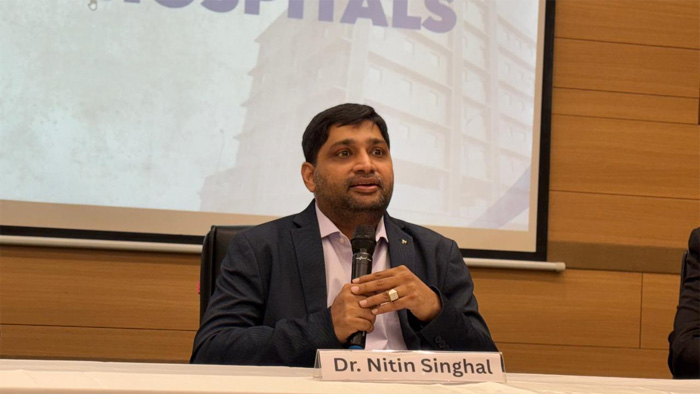
Speaking about the achievement, Dr. Nitin Singhal, Senior Consultant Robotic Onco-surgeon, Sterling Hospitals, said: “Pancreatic cancer surgery is among the most technically demanding procedures in cancer care. In elderly patients with multiple comorbidities, the challenge extends beyond removing the tumour—it is equally important to ensure a safe recovery and preserve quality of life. Robotic surgery offers enhanced precision and control, allowing us to perform complex procedures with minimal surgical trauma. In this case, we were able to completely resect the tumour while enabling the patient to recover rapidly and return to her normal routine within a few weeks. This outcome reflects the potential of modern technology when combined with careful patient selection and clinical expertise.”
Robotic surgery for pancreatic cancer is currently available only at a limited number of highly specialised centres equipped with advanced technology, multidisciplinary expertise and comprehensive oncology infrastructure. Sterling Hospitals is among these select institutions, offering patients access to sophisticated robotic cancer surgery backed by experienced specialists and evidence-based care.
The successful treatment further strengthens Sterling Hospitals’ commitment to delivering advanced oncology services through cutting-edge technology, multidisciplinary collaboration and a patient-centric philosophy.
Highlighting the institution’s broader healthcare vision, Santosh Marathe, MD and CEO, Sterling Hospitals, said: “At Sterling Hospitals, our vision is not limited to helping patients live longer; we are equally committed to helping them live better. This case is a powerful example of how advanced medical technology, combined with the expertise of our clinical teams and a compassionate approach to care, can significantly improve patient outcomes. Sterling Hospitals offers comprehensive cancer care across six units of Gujarat. Senior doctors, experienced nursing teams and technology advanced tools ensure consistent medical care at lower costs. Successfully treating a complex pancreatic cancer case in a senior patient with multiple health challenges and enabling her to return to normal life within weeks reflects our commitment to delivering world-class healthcare with a human touch.”
As cancer care increasingly embraces precision technologies, Sterling Hospitals continues to invest in advanced robotic surgery and multidisciplinary oncology, ensuring that even the most complex cancer cases receive personalised, evidence-based treatment that maximises both survival and quality of life.