
NE NEWS SERVICE
CHENNAI, NOV 1
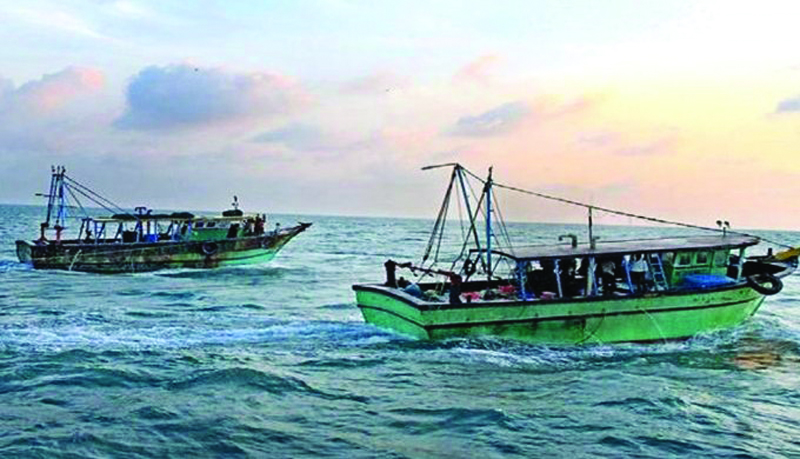
For seven Tamil Nadu fishing families, the wait for a safe return home has begun just days before Deepavali. The Sri Lankan Navy detained seven fishermen from Rameswaram and neighbouring Thangachimadam in the early hours of Sunday, seizing their mechanised fishing trawler and reigniting concerns over the recurring maritime dispute in the Palk Strait.
- FRESH MARITIME FLASHPOINT: Seven fishermen from Rameswaram and Thangachimadam detained near Katchatheevu; trawler seized
- LIVELIHOODS UNDER STRAIN: Fishing community seeks immediate release as repeated arrests deepen uncertainty for coastal families
- CHENNAI SEEKS DIPLOMATIC ACTION: Chief Minister Vijay had urged the Centre to secure the release of detained fishermen and hundreds of seized boats
- CALL FOR LASTING SOLUTION: Fishermen’s associations plan consultations, renewing demands for effective India–Sri Lanka engagement
According to Tamil Nadu Fisheries Department officials, the fishermen were intercepted at around 1 am while fishing between Katchatheevu islet and North Mannar. They were detained on allegations of fishing in Sri Lankan waters and taken, along with their vessel, for further proceedings. Reports identified the destination as a Sri Lankan naval facility in the Mannar area.
The fishermen were identified as Placius, 41; Alagu Pandi, 22; Antony Pitchai, 33; Rabin, 21; Nelson, 58; Arulananda Xavier, 65; and Sahaya Anand, 34. All belong to fishing communities in Ramanathapuram district.
398 fishing tokens issued; seven men detained
The Fisheries Department had issued 398 tokens on Saturday for fishing operations from Rameswaram. The fishermen who ventured into the sea were expected to return on Sunday evening, but the seven men were detained before completing their trip.
The seizure of a fishing boat adds to the economic uncertainty confronting coastal families, for whom a vessel is both a working asset and a primary source of livelihood. When fishermen are detained and boats impounded, the consequences can extend beyond the crew to boat owners, workers and dependants.
Fishermen’s leaders demand early release
Fishermen’s leaders condemned the latest arrests and urged both the Union and Tamil Nadu governments to intervene to secure the men’s release.
The timing has heightened anxiety among the fishing community, with Deepavali approaching and families awaiting the return of their breadwinners.
“We will convene a meeting of all fishermen’s associations in the coastal district and decide the next course of action,” a fishermen’s leader said.
The proposed consultations are expected to focus on the immediate release of the detained fishermen and their vessel, alongside measures to address the recurring arrests.
Chief Minister had sought Centre’s intervention
The latest detention follows the arrest of nine Rameswaram fishermen and the seizure of their mechanised boat on October 3.
On October 5, Tamil Nadu Chief Minister C. Joseph Vijay wrote to External Affairs Minister S. Jaishankar, seeking the Centre’s intervention to secure the release of 20 fishermen then in Sri Lankan custody and 270 fishing boats. He also called for renewed engagement through the India–Sri Lanka Joint Working Group on Fisheries. These figures reflected the situation when the letter was written, not necessarily the current number of detainees or seized vessels.
The Chief Minister highlighted the distress caused by repeated arrests and boat seizures to families dependent on fishing in the Palk Strait. He urged stronger bilateral engagement to address the issue and facilitate the return of fishermen and their vessels.
A recurring dispute needs a durable response
The latest incident follows other detentions reported this year. In July, nine fishermen who had sailed from Rameswaram were arrested while fishing north of Mannar, and their boat was seized. In March, seven fishermen and two mechanised boats were reportedly detained over allegations of crossing the International Maritime Boundary Line.
Repeated arrests have kept the fishing community on edge, with fishermen’s associations calling for the release of those detained and a lasting resolution to the dispute over fishing activity in the waters between India and Sri Lanka.
For the families awaiting news from the sea, the immediate priority remains clear: the safe return of the seven fishermen and the recovery of their trawler. Beyond this latest episode, sustained bilateral engagement will be essential to address the recurring problem and reduce the uncertainty facing fishing communities on both sides of the maritime boundary.