- DP World-WFP humanitarian corridor carries vital food supplies from Mundra to Tanzania for onward distribution across three African nations
- Pro-bono ocean freight support strengthens emergency operations in Burundi, DRC and Rwanda amid severe food insecurity
- 5,000 metric tonnes of rice to help extend WFP food assistance to more than 14,200 additional people for one month
- Global logistics network mobilised as conflict, displacement and shrinking humanitarian funding deepen food insecurity
- Partnership turns commercial supply-chain expertise into a humanitarian lifeline reaching communities thousands of kilometres from India
NE NEWS SERVICE
MUNDRA, AUG 20
A ship leaving Mundra with rice is carrying something far more precious than cargo—it is carrying a lifeline. Across thousands of kilometres, the journey from Gujarat’s western coast to East Africa is transforming a global logistics network into an emergency humanitarian corridor for people facing hunger, conflict and displacement.
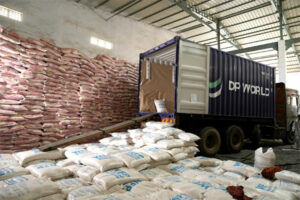
In a significant humanitarian logistics intervention, DP World and the United Nations World Food Programme (WFP) have delivered 5,000 metric tonnes of rice to support emergency food-assistance operations in Burundi, the Democratic Republic of the Congo (DRC) and Rwanda, where vulnerable communities are confronting acute food insecurity.
The pro-bono arrangement, covering part of the ocean-freight costs from India to East Africa, demonstrates how private-sector logistics capabilities can be deployed to amplify humanitarian action at a time when needs are escalating and funding resources remain under pressure.
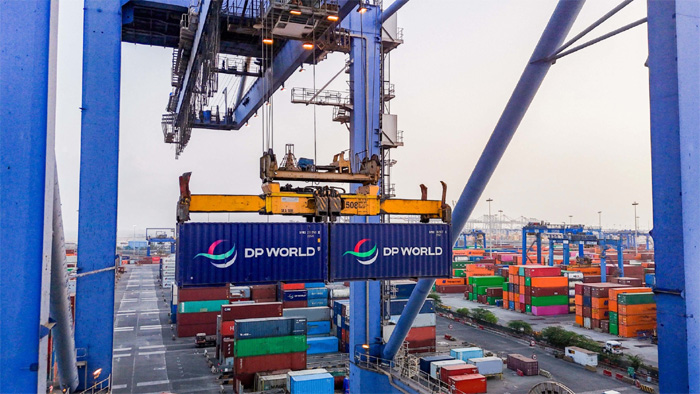
The consignments were transported through DP World’s Shipping Solutions business, formerly Unifeeder, from DP World’s Mundra Terminal to the Port of Dar es Salaam in Tanzania.
From Dar es Salaam, WFP’s regional logistics network is transporting the rice overland to humanitarian operations in Burundi, DRC and Rwanda.
When a shipping route becomes a humanitarian lifeline
For millions confronting food insecurity, the movement of food across borders is not simply a logistics exercise—it can determine whether assistance reaches communities before hunger turns into a deeper humanitarian crisis.
The 5,000-tonne consignment will support WFP’s ongoing emergency food-assistance programmes and enable food assistance for more than 14,200 additional people for one month.
The intervention comes at a particularly difficult moment for the region.
The DRC is facing one of the world’s largest hunger crises, driven by conflict and displacement. Burundi is experiencing additional humanitarian pressure following the arrival of people fleeing insecurity in eastern DRC, while Rwanda continues to host refugees and asylum seekers from neighbouring countries.
Against this backdrop, getting food from a port to communities in need quickly and efficiently becomes as important as procuring the food itself.
Mundra-Dar Es Salaam: Gujarat becomes the starting point of aid corridor
The humanitarian journey begins at Mundra, one of India’s major maritime gateways.
From there, DP World’s Shipping Solutions transported the rice to Dar es Salaam, from where WFP takes charge of the onward humanitarian movement through its regional logistics network.
The arrangement effectively links India’s food-supply and maritime infrastructure with WFP’s humanitarian distribution network in Africa.
It is also a demonstration of how commercial shipping networks can be adapted to humanitarian requirements when traditional supply chains come under pressure.
DP World’s Shipping Solutions operates a fleet of more than 100 container vessels, connecting over 200 ports through coastal, short-sea and feedering services, with more than 16,000 port calls annually.
That network provides the logistical muscle behind the humanitarian partnership.
DP World: “When they are needed most”
Ganesh Raj, Global Chief Operating Officer, Marine Services, DP World, said: “At DP World, we play a vital role in keeping critical supplies moving when they are needed most. We are proud to support WFP’s life-saving work through our Shipping Solutions network to move 5,000 metric tonnes of rice to East Africa.”
He added: “This partnership shows what can be achieved when humanitarian expertise and global supply chain capability come together with a shared purpose.”
Ayla Bajwa, Group Senior Vice President-Sustainability, DP World, said trade can have a direct human impact when global logistics networks are mobilised for communities facing severe challenges.
“Trade has the power to improve lives, particularly when global logistics networks are mobilised to support communities facing significant challenges,” she said.
Bajwa added that the collaboration reflects DP World’s commitment to creating “positive social impact through trade” while supporting more resilient and inclusive supply chains.
WFP: Every efficiency can mean more food on the table
For WFP, the significance of the partnership lies not only in the volume of rice transported but also in the efficiency gained in moving humanitarian supplies.
Alex Marianelli, Director of Supply Chain, WFP, said:
“As humanitarian needs continue to outpace available resources, partnerships like this are essential to ensuring that life-saving food assistance reaches communities facing hunger.”
Expressing gratitude for DP World’s support, Marianelli said the collaboration had helped WFP move vital food supplies more efficiently and “extend life-saving assistance to thousands more families in need.”
He said the partnership demonstrated how humanitarian organisations and the private sector could work together to strengthen supply chains and reach vulnerable communities with greater “speed and reliability.”
From emergency relief to resilient supply chains
The rice shipments form part of a broader collaboration between DP World and WFP established in 2025, aimed at improving the efficiency, reach and sustainability of humanitarian logistics networks.
Under the partnership, DP World’s Shipping Solutions is leveraging its expanding network and agile fleet to help WFP secure enhanced access to critical supplies for high-need communities.
But the partnership extends beyond emergency shipments.
DP World is also working towards strengthening disaster preparedness, regional logistics capabilities and longer-term recovery by applying commercial supply-chain expertise to humanitarian challenges.
The underlying philosophy is increasingly relevant as humanitarian agencies confront a difficult equation: more people need assistance while the resources available to deliver that assistance remain constrained.
Efficient logistics can therefore multiply the impact of every tonne of food, every container and every dollar spent on humanitarian response.
The bigger story: When trade serves humanity
The journey of these 5,000 tonnes of rice illustrates a powerful transformation in the meaning of global trade.
A container vessel leaving Mundra is normally associated with commerce, markets and international supply chains. This time, the same infrastructure is carrying food destined for families caught in some of Africa’s most severe humanitarian emergencies.
That is the larger significance of the DP World-WFP collaboration.
Humanitarian aid is only as effective as the supply chain that carries it to the last mile.
By combining DP World’s maritime and logistics capabilities with WFP’s humanitarian reach and operational expertise, the partnership seeks to ensure that vital food supplies reach communities “reliably, efficiently, and at scale.”
And from Mundra to Dar es Salaam and onward to Burundi, the DRC and Rwanda, a commercial shipping route has been given a profoundly human destination: a meal for someone facing hunger.