NE BUSINESSS BUREAU
MUMBAI, CHENNAI, SEPT 7
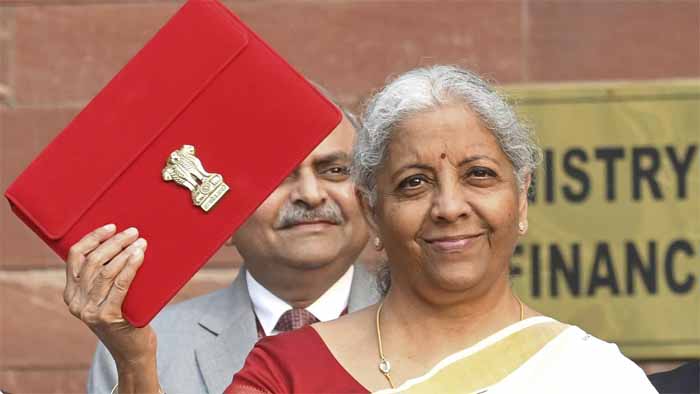
Union Finance Minister Nirmala Sitharaman on Wednesday announced a sweeping rationalisation of GST rates, aimed at easing the burden on households, farmers, businesses and the healthcare sector. Branded as the “Next-Gen GST Reform” and presented as a Diwali gift, the move was cleared at the 56th GST Council meeting.
India Inc hailed the GST Council’s “forward-looking decisions” — moving to two rates of 5 per cent and 18 per cent and a special ‘luxury tax’ of 40 percent from 22 September, simplifying refunds and MSME procedures, and exempting individual life and health insurance from the indirect tax regime.
Collectively, the responses from India Inc’s leaders encapsulate optimism and strategic alignment. Reliance—led by Mukesh and Isha Ambani—sees the reform as a catalyst for consumption and trust, pledging to immediately reflect benefits in consumer prices. Meanwhile, Suneeta Reddy focuses on the reform’s potential to deliver real societal impact by making healthcare more affordable and expanding access.
Here are excerpts:
Suneeta Reddy: Improving Healthcare Affordability & Access

Suneeta Reddy, MD of Apollo Hospitals, welcomed the reforms as a natural follow-up to earlier tax cuts and 100% FDI in insurance. She said these measures together create stronger foundations for affordable, accessible healthcare across India.
She emphasized that cutting GST on essential and life-saving drugs, standardizing consumables, and reducing taxes on construction inputs (like cement and marble) would not only benefit patients but also support hospital infrastructure and insurance affordability.
Mukesh Ambani: “Big Booster” for Growth and Consumers
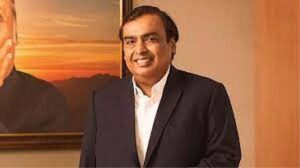
Mukesh Ambani, Chairman and MD of Reliance Industries, warmly welcomed the second-generation GST reforms, calling them a “progressive step” and a “Diwali Gift to the people of India”. He emphasized that reducing GST rates would make products and services more affordable, ease business operations, curb inflation, and drive retail consumption—a “big booster” for India’s economic growth. With Q1 GDP already at 7.8%, he sees potential to push growth closer to double digits
Ambani highlighted that the reforms would benefit every stakeholder—from farmers and MSMEs to kirana stores and end consumers—underscoring the inclusive nature of the reform.

Isha Ambani: Passing on the Benefits Directly to Consumers
Isha Ambani, Executive Director at Reliance Retail Ventures, pledged that Reliance Retail would “pass on the entire benefit of the new GST regime to customers from Day 1 across all its consumption baskets.”
She described the reforms as a transformative shift—bringing relief to household budgets while simplifying compliance for businesses—a strategic win for both consumers and business.
Banking & Finance: Fueling Credit Demand and SME Growth
Sanjeev Bajaj of Bajaj Finserv hailed the reforms as the most significant GST overhaul since 2017, promising a tailwind for consumer demand across rural and urban India, and acting as a catalyst for investment cycles in credit, insurance, MSMEs, and housing
Umesh Revankar of Shriram Finance forecast a favorable uptick in lending, particularly in auto financing, with the Q3 FY26 momentum expected to bolster the rest of the fiscal year.
PNB’s MD & CEO Ashok Chandra also affirmed that sectors like agriculture, MSMEs, and renewables stand to benefit significantly from increased demand supported by easier compliance and greater disposable incomes .
Startups & MSMEs: Simplified Taxes Unlock Digital Growth
Industry associations like FICCI called the two-slab GST structure a “masterstroke of simplification,” lauding its potential to reduce cascading taxes, disputes, and compliance costs—elements crucial for MSMEs and startups to scale efficiently.
Former NITI Aayog CEO Amitabh Kant hailed the GST rationalisation by the Centre and called it a “bold and visionary step”. Sharing an X post, Kant wrote, “A landmark reform. The reduction of GST rates to just 5 per cent and 18 per cent is a bold and visionary step. Simplifying the structure, rationalising rates and eliminating inverted duties will boost consumption, raise capacity utilisation, and drive fresh investment.”