
- Amit Shah to introduce landmark Bill in Rajya Sabha seeking equal statutory protection for India’s National Song
- Proposed amendment makes intentional insult, disruption or obstruction of ‘Vande Mataram’ punishable with up to three years’ imprisonment
- Government says National Song deserves the same dignity and legal respect accorded to ‘Jana Gana Mana’, the National Flag and the Constitution
- Move follows MHA directive mandating ‘Vande Mataram’ before the National Anthem at official government functions where both are performed
- Legislation seeks to reinforce constitutional values, national unity and respect for India’s timeless symbols of freedom
NE POLITICAL BUREAU
NEW DELHI, JULY 19
Few songs have stirred India’s collective conscience as profoundly as “Vande Mataram.” Born in the freedom struggle and echoed by countless patriots who sacrificed everything for the nation, the iconic National Song has long symbolised India’s spirit of unity, courage and devotion to the motherland. In a significant legislative move aimed at reinforcing respect for national symbols, the Centre is now seeking to place “Vande Mataram” on the same legal footing as the National Anthem, underscoring its enduring place in the country’s constitutional and cultural heritage.
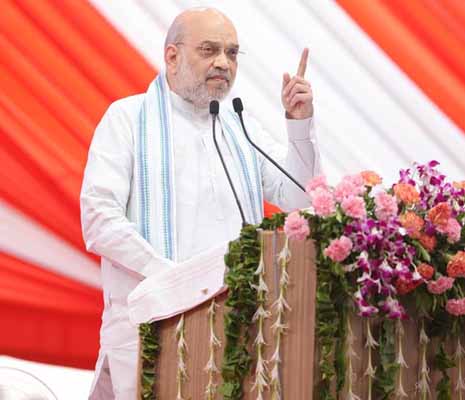
In a landmark initiative to strengthen the legal protection accorded to India’s national symbols, Union Home Minister Amit Shah is set to introduce the Prevention of Insults to National Honour (Amendment) Bill, 2026, in the Rajya Sabha on Monday during the Monsoon Session of Parliament.
The proposed legislation seeks to extend the same statutory and legal safeguards enjoyed by the National Anthem, “Jana Gana Mana,” to the National Song, “Vande Mataram.”
If passed by Parliament, the amendment will make intentional insult, obstruction or disruption of the singing of “Vande Mataram” a punishable offence, bringing it under the ambit of the Prevention of Insults to National Honour Act.
Equal Legal Respect for the National Song
At present, the law mandates respect for the National Anthem by prohibiting acts that intentionally prevent its singing or cause disturbances during its rendition.
The proposed amendment seeks to provide identical legal protection to “Vande Mataram,” which, despite its historic role in India’s freedom movement and its recognition as the National Song, has so far not enjoyed equivalent statutory protection.
Under the proposed law, any person who intentionally insults, obstructs or disturbs the singing of “Vande Mataram” or disrupts any gathering during its rendition could face:
- Imprisonment of up to three years
- A fine
- Or both
The penalties mirror those already applicable for similar offences involving the National Anthem.
Strengthening Respect for National Symbols
The amendment seeks to place “Vande Mataram” within the same legal framework that protects India’s foremost national symbols, including:
- The National Anthem
- The National Flag
- The Constitution of India
The Centre believes the move will reinforce public respect for the National Song while preserving its historic significance as a symbol of India’s struggle for independence and national unity.
Follows MHA Directive
The legislative initiative follows a directive issued by the Ministry of Home Affairs (MHA) on July 9, asking all States and Union Territories to ensure strict compliance with its instructions that “Vande Mataram” be played before “Jana Gana Mana” whenever both are rendered during official government functions.
The proposed amendment complements this administrative direction by providing statutory backing to the National Song’s protection.
Likely to Spark Parliamentary Debate
The Bill is expected to come up for discussion during the ongoing Monsoon Session of Parliament, where it is likely to generate extensive debate on the legal status of national symbols and the constitutional obligation of citizens to uphold their dignity.
If enacted, the amendment would mark a significant milestone in India’s legal framework governing national honour by extending equal statutory protection to “Vande Mataram,” a song that inspired generations of freedom fighters and continues to occupy a cherished place in the nation’s collective consciousness.