NE BUSINESS BUREAU
CHENNAI, NOV 1
The Kanyakumari District Railway Users’ Association (KKDRUA) has urged Southern Railway and the Railway Board to take immediate corrective action against widespread irregularities in the management of reserved coaches and Ticket Travelling Examiner (TTE) operations, particularly on long-distance trains from southern states to eastern destinations such as Howrah, Patna, Guwahati, and Dibrugarh.
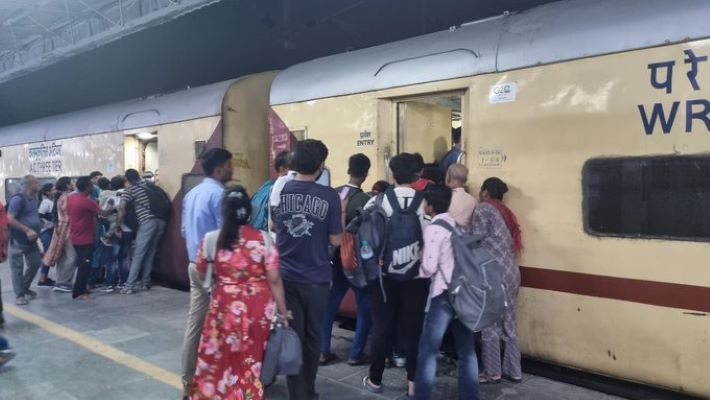
In a detailed memorandum addressed to the Railway authorities, S.R. Sreeram, President of KKDRUA, highlighted serious violations involving the creation of “one-man TTE squads” with monthly fine collection targets ranging from ₹10 lakh to ₹25 lakh. These squads, allegedly operating with the approval of zonal commercial officers, are accused of collecting fines from unreserved passengers and allowing them to travel in reserved sleeper coaches, leading to severe overcrowding and inconvenience for legitimate ticket-holders.
- Complaints mount against ‘one-man TTE Squads’ and misuse of fine collection targets in Southern Railway
- Kanyakumari Railway Users’ Association calls for abolition of target-based TTE system and better monitoring on migrant routes
- Demand for more trains to Eastern and Northeastern states to ease overcrowding and ensure passenger safety
According to the complaint, these TTE squads allegedly collect bribes, issue short-distance fine receipts instead of full-route tickets, and permit over 250 passengers in coaches designed for 88, compromising both safety and comfort. Such practices reportedly cause substantial revenue loss to the Southern Railway while undermining the reservation system’s integrity.
The association has demanded the immediate abolition of one-man TTE squads and the removal of fine-based performance targets, calling them the root cause of corruption and disorder. It also recommended that any TTE squad, if continued, must check different trains each day with a cap on repeat inspections, ensuring transparency and accountability.
Key Demands Raised by KKDRUA
- Deploy adequate TTE staff on all trains with joint monitoring by the Railway Protection Force (RPF) every 200 km to prevent overcrowding.
- Mandate the use of handheld terminal devices for fine collection with digital payment and Aadhaar verification, ending manual receipt-based transactions.
- Audit all fine receipts from the last five years to identify revenue leakages caused by improper fine practices.
- Take departmental action against commercial officers and TTEs involved in malpractice.
- If irregularities persist, declare all sleeper coaches unreserved to prevent misuse of reserved compartments.
Demand for More Long-Distance Trains
The association also pointed to the shortage of daily train services from Tamil Nadu and Kerala to eastern and northeastern India, noting that migrant workers rely heavily on a few overburdened routes, particularly the 22503/22504 Kanniyakumari–Dibrugarh Express.
It called for new daily train services such as:
Thiruvananthapuram–Shalimar, Ernakulam–Dibrugarh, Coimbatore–Howrah, and Madurai–Howrah, and the conversion of bi-weekly and weekly services to daily operations to reduce overcrowding.
The association further suggested converting the Kanniyakumari–Dibrugarh Express into a fully unreserved Antyodaya Express, citing safety concerns similar to those observed in the Odisha train accident, where overcrowding contributed to casualties.
Emphasising that the current commercial practices prioritise revenue over passenger welfare, Sreeram warned that continued inaction could further erode public trust in the railway system.
“The comfort and safety of reserved passengers must come before fine-collection targets and personal gains. The current system is both unsafe and unfair,” said S.R. Sreeram, urging the Railway Ministry to restore accountability and passenger confidence in Southern Railway operations.
With migrant traffic on the rise and overcrowding on key routes worsening, the association’s plea calls for urgent policy intervention to ensure transparency, safety, and fairness across the Indian Railways network.