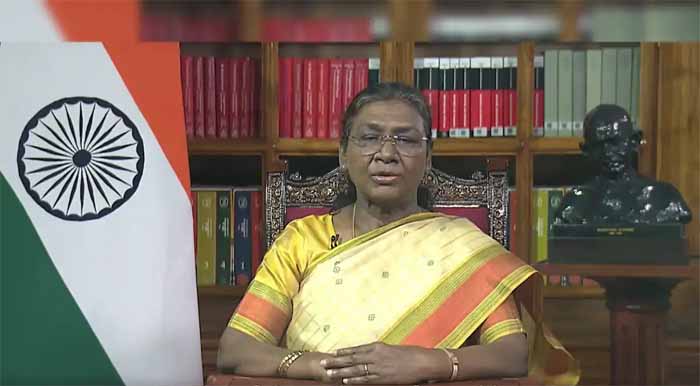
- President Murmu, PM Modi, Amit Shah lead tributes to immortal freedom fighters
- From massacre to movement: The day that ignited India’s collective conscience
- Defence leadership salutes unmatched courage, sacrifice and national resolve
- 107 years on, Jallianwala Bagh remains a timeless call for justice, unity and vigilance
NE NEWS SERVICE
NEW DELHI, APR 13
On the solemn occasion marking 107 years of the Jallianwala Bagh Massacre, the nation paid heartfelt homage to the martyrs whose sacrifice became an important turning point in India’s freedom struggle.
President Droupadi Murmu led the nation in remembrance, stating, “I pay my humble tribute to all the immortal freedom fighters who sacrificed their lives at Jallianwala Bagh. This event infused the people of the nation with a renewed consciousness and unwavering resolve for freedom. The nation will forever remain grateful to them. I am confident that their spirit of patriotism will continue to inspire everyone to move forward on the path of national service with dedication and devotion.”
Prime Minister Narendra Modi echoed the sentiment, saying, “On this day, we pay our heartfelt homage to the brave martyrs of Jallianwala Bagh. Their sacrifice stands as a powerful reminder of the indomitable spirit of our people. The courage and determination they displayed continue to inspire generations to uphold the values of liberty, justice and dignity.”
Union Home Minister Amit Shah, in his tribute, said, “The sacrifice of the martyrs of Jallianwala Bagh awakened the entire nation against colonial oppression. Their supreme sacrifice will continue to inspire generations to protect the unity, integrity and sovereignty of India.”
Defence Minister Rajnath Singh also paid homage, stating, “Remembering and paying my heartfelt tributes to all those innocent Indians who sacrificed their lives in the Jallianwala Bagh massacre in 1919. Their sacrifice remains a defining moment in India’s freedom struggle, awakening the nation’s collective conscience. Their courage continues to inspire generations to stand for justice, dignity and self-respect.”
Senior defence officials and armed forces leaders across the country also remembered the martyrs, emphasizing that the tragedy continues to inspire India’s armed forces to uphold the values of courage, sacrifice, and national unity. Many noted that the incident remains a stark reminder of the cost of freedom and the responsibility to safeguard it.
The massacre unfolded on April 13, 1919, during the festive gathering of Baisakhi at Jallianwala Bagh in Amritsar. Thousands of unarmed civilians—men, women, and children—had assembled, unaware of prohibitory orders imposed under colonial rule.
Without warning, British officer Reginald Dyer ordered troops to fire on the crowd, unleashing over 1,600 rounds in a matter of minutes. Trapped within the walled garden, with exits blocked, hundreds were killed instantly while many more succumbed to injuries.
While official colonial records cited 379 deaths, historians widely believe the toll exceeded 1,000, making it one of the darkest chapters in India’s colonial history.
The brutality of that day transformed grief into resistance, galvanising India’s independence movement and exposing the harsh realities of foreign rule to the world.