R ARIVANANTHAM
CHENNAI, APR 26
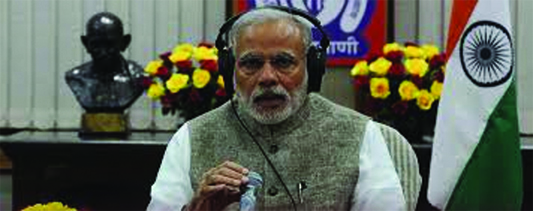
In a wide-ranging and deeply reflective 133rd episode of Mann Ki Baat, Prime Minister Narendra Modi stitched together a compelling narrative of India’s progress—spanning nuclear science, renewable energy, grassroots innovation, cultural pride and citizen participation.
Sharing this month’s #MannKiBaat. Do listen! https://t.co/DTOYipk9kF
— Narendra Modi (@narendramodi) April 26, 2026
- Narendra Modi spotlights Kalpakkam nuclear breakthrough as symbol of ‘Viksit Bharat’ momentum
- Wind energy crosses 56 GW, India ranks 4th globally as clean power story accelerates
- From flamingos in Kutch to ‘Gaj Mitra’ in UP, conservation stories inspire collective action
- Northeast bamboo revolution turns policy reform into jobs, innovation and women-led growth
- Digital Census 2027, archives portal and Olympiad wins showcase tech-driven, knowledge-rich India
- Culture, compassion and community—from Buddha Purnima to Indian cheese—underline India’s soft power surge
Opening with a tone of collective celebration, the Prime Minister said, “Despite the hustle and bustle of the elections, we have shared happiness with each other over achievements of the country and countrymen.”
Highlighting a major scientific breakthrough, he called the criticality achieved by the Fast Breeder Reactor at Kalpakkam a “historic milestone”, explaining, “This is a stage in which the reactor achieves success in a self-sustaining nuclear chain reaction… This stage means the beginning of the reactor’s operation phase.” Emphasising self-reliance, he added, “Another big thing is that this nuclear reactor is built entirely on Swadeshi (indigenous) technology.”
On clean energy, Modi underscored India’s rapid strides, noting, “India’s wind energy generation capacity has now exceeded 56 gigawatts… India ranks fourth in the world in wind energy capacity.” He framed renewables as central to the future, stating, “This isn’t just about the environment—it’s about safeguarding our future.”
The Prime Minister also drew attention to inspiring conservation efforts across the country—from the flamingo gatherings in Kutch, fondly called “Lakhha Ji Ke Baaraati,” to community-led initiatives like “Gaj Mitra” in Uttar Pradesh that are reducing human-animal conflict. Stressing harmony with nature, he said, “Nature and humans are not separate. We are each other’s partners.”
Turning to the Northeast, Modi highlighted the bamboo sector’s transformation after policy reforms, observing, “What was once viewed as a burden is now giving new impetus to employment, business, and innovation.” He particularly noted the role of women and local entrepreneurs in driving this change.
On the digital front, he spoke about the scale and innovation of Census 2027, calling it “the world’s largest census” and emphasising citizen participation: “The national census isn’t just a government task. It’s the responsibility of all of us.” He also lauded the digitisation of over 20 crore historical records by the National Archives, opening new windows into India’s past.
Celebrating youth achievement, the Prime Minister praised India’s performance at the European Girls Mathematical Olympiad, saying, “Our daughters performed their best ever… I am very proud of this talented team.”
Blending culture with contemporary relevance, Modi extended greetings for Buddha Purnima, noting, “Amid the tensions and conflicts the world is going through today, Buddha’s teachings have become even more important.” He also spotlighted India’s culinary diversity, remarking how traditional cheeses are now gaining global recognition.
Closing on a note of unity and aspiration, the Prime Minister reiterated that every citizen’s effort contributes to nation-building, reinforcing the vision of a developed India.