NE ENERGY BUREAU
NEW DELHI, APR 26
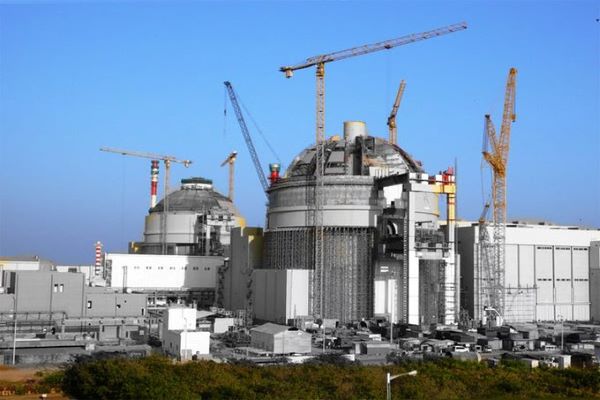
India’s flagship nuclear energy programme gained fresh momentum as Unit-3 of the Kudankulam Nuclear Power Project entered the crucial “spillage to open reactor” phase, marking a major advancement in its construction and commissioning journey.
The phase involves flushing the safety systems and main coolant pipelines using light water, ensuring system cleanliness and operational readiness for subsequent stages. This process is essential to validate the integrity and performance of key reactor components before full-scale commissioning.
- ‘Spillage to Open Reactor’ begins, marking key step towards commissioning readiness
- Nuclear Power Corporation of India Limited highlights start of functional testing of core systems
- India–Russia collaboration drives expansion of 6000 MW nuclear hub in Tamil Nadu
In an official statement, the Nuclear Power Corporation of India Limited said, “The milestone signifies the start of individual functional testing of primary system equipment and piping in accordance with design requirements, marking a critical step towards commissioning of the plant.”
Located in Tamil Nadu’s Tirunelveli district, the Kudankulam project is being developed in collaboration with Russia under an inter-governmental agreement, underscoring India’s commitment to expanding clean and reliable nuclear energy capacity.
Currently, Units 1 and 2 (2×1000 MW) are fully operational, while Unit-4 is nearing completion. Units 5 and 6 are progressing through various stages of construction and will be commissioned in a phased manner.
NPCIL further noted, “Upon completion of these projects, the Kudankulam site will have a total installed capacity of 6000 MW.”
Once fully operational, Kudankulam will stand as one of India’s largest nuclear power hubs, significantly boosting the nation’s energy security while advancing its low-carbon transition goals.