NE BUSINESS BUREAU
NEW DELHI, MAY 27
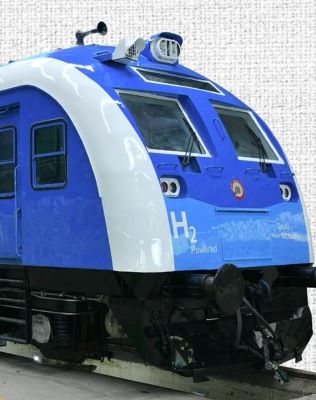
In a landmark leap towards carbon-free transportation and next-generation rail mobility, Indian Railways has approved the rollout of India’s first indigenous hydrogen fuel cell-powered trainset, marking a defining moment in the country’s clean energy transition.
The ambitious 10-car hydrogen-powered train is now all set to commence operations on the Jind-Sonipat section of Northern Railway in Haryana, positioning India among a select group of nations pioneering hydrogen-based rail transportation systems.
- Indian Railways clears India’s first indigenous hydrogen fuel cell train for operations on Jind-Sonipat route
- 10-car train powered by a 1200 KW hydrogen propulsion system to run at 75 kmph
- Dedicated hydrogen storage and refuelling infrastructure commissioned at Jind in Haryana
- India joins elite nations including Germany, Japan, China and the US exploring hydrogen-powered rail mobility
- Project strengthens India’s green transport ambitions and net-zero carbon roadmap
The trainset, equipped with a powerful 1200 KW hydrogen fuel cell propulsion system, will operate at a maximum speed of 75 kmph, showcasing a new era of cleaner, greener and more energy-efficient rail operations.
India Enters Elite Global Hydrogen Rail Club
With this breakthrough, India joins countries such as Germany, Japan, China and the United States that are actively exploring or operating hydrogen-powered rail systems as part of sustainable transport strategies.
Hydrogen fuel cell technology generates electricity through a chemical reaction using hydrogen, emitting only water vapour, making it one of the cleanest alternatives to conventional diesel-powered rail traction.
Global experts increasingly view hydrogen mobility as a critical pillar in reducing transportation-related carbon emissions, especially for non-electrified rail corridors.
Jind Emerges as India’s Hydrogen Rail Hub
The Jind-Sonipat railway section in Haryana has been selected as the pilot corridor for the pioneering project.
To support operations, an indigenous hydrogen storage and refuelling facility has already been established at Jind, creating the backbone for safe and efficient hydrogen-based train operations.
The Petroleum and Explosives Safety Organisation (PESO) has granted the necessary licence for storage and dispensing of compressed hydrogen gas at the site.
Officials said the project includes a hydrogen compression system for seamless refuelling operations, supported by critical technical infrastructure and fail-safe backup mechanisms, including a standby compressor unit.
Advanced Safety Systems Installed
Given the sensitive nature of hydrogen fuel technology, multiple safety layers have been integrated into the project infrastructure.
Hydrogen leak detectors, flame detectors and advanced safety sensors have been installed at hydrogen production, storage and dispensing facilities to ensure safe operations.
Authorities said these systems will undergo regular inspections and maintenance to avoid dust accumulation and operational risks.
Additionally, operation and maintenance manuals for both the hydrogen trainset and hydrogen plant — approved by the Research Designs and Standards Organisation (RDSO) — are being deployed for operational readiness.
Necessary safety provisions, audits and standard operating procedures are also being implemented at the Shakurbasti maintenance facility.
24×7 Monitoring and Trained Personnel for Initial Operations
The approval framework also mandates strict operational protocols, including:
- Round-the-clock monitoring of hydrogen refuelling systems
- Deployment of certified and specially trained personnel
- Scheduled inspection and preventive maintenance mechanisms
- Technical staff onboard during the initial phase of operations
Railway officials said the project reflects the organisation’s larger commitment to innovation-driven and environmentally sustainable transportation systems.
The hydrogen train initiative is also expected to support India’s long-term clean energy mission and national net-zero carbon emission targets while reducing dependence on fossil-fuel-based transportation infrastructure.