- Adani Group Firm Joins Hands with UK Clean-Tech Pioneer Leilac to Build One of the World’s Largest Low-Carbon Cement Pathways
- Sanghipuram Project to Test Breakthrough Carbon Capture and Hybrid Electrification Technology
- Ambitious Initiative Could Slash Emissions, Eliminate Coal Use and Accelerate Renewable Energy Adoption
- Successful Demonstration May Scale Up 8-Fold to Capture Over One Million Tonnes of CO₂ Annually
- Partnership Strengthens Ambuja’s Net-Zero Vision and Positions India at the Forefront of Green Cement Innovation
NE BUSINESS BUREAU
AHMEDABAD, JUNE 22
In a significant leap towards decarbonising one of the world’s most emissions-intensive industries, Ambuja Cements has partnered with Leilac Limited to develop what could become one of the world’s largest commercial-scale pathways for low-carbon cement production at Sanghipuram in Gujarat’s Kutch district.
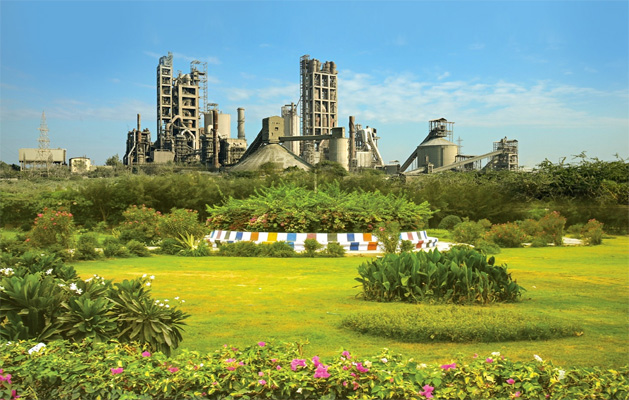
The landmark collaboration will see the deployment of Leilac’s cutting-edge carbon capture and hybrid electrification technology at Ambuja Cements’ 6.6 MTPA Sanghi plant, marking a crucial step in India’s transition towards cleaner industrial manufacturing.
At the heart of the initiative is a commercial demonstration project designed to reduce carbon emissions, lower fuel consumption and significantly increase the use of renewable electricity in cement production. The technology is engineered to capture unavoidable process emissions while creating a pathway to potentially reduce coal consumption to zero, alongside the flexible use of alternate fuels.
The project aligns closely with Ambuja Cements’ broader decarbonisation roadmap and its Science Based Targets initiative (SBTi)-validated commitment to achieve net-zero emissions by 2050. Backed by nearly 1 GW of captive green power capacity, the company is accelerating the electrification of its manufacturing operations while evaluating transformative technologies capable of reshaping the future of the cement sector.
If the demonstration proves successful, the facility could be expanded by seven to eight times its initial scale, enabling the capture of more than one million tonnes of carbon dioxide annually. Such an achievement would position the project among the largest industrial carbon-capture installations globally and establish a replicable blueprint for low-carbon cement production in India and international markets.
Commenting on the collaboration, Karan Adani said: “The cement industry’s transition to a lower-carbon future will require bold thinking, technological innovation and collaboration across the value chain.”
He added: “Our partnership with Leilac reflects our commitment to evaluating next-generation technologies that can reduce process emissions while improving energy efficiency and supporting long-term sustainable growth. This initiative aligns with our vision of building world-class manufacturing operations for the future.”
Echoing the optimism, Daniel Rennie said: “Ambuja Cements operates one of the world’s largest and most advanced cement manufacturing networks.”
He further noted: “We’re delighted to begin this collaboration to deliver a commercial-scale project for low-cost, low-carbon cement production. Together, we aim to demonstrate an economic, replicable and future-proof solution for the global cement industry.”
Industry experts view carbon capture as one of the most critical technologies for reducing emissions from cement manufacturing, where a substantial portion of carbon dioxide is generated through the chemical process of clinker production. By combining carbon capture with electrification and renewable energy integration, the Ambuja-Leilac partnership seeks to address this challenge at scale.
The project not only strengthens Ambuja Cements’ sustainability credentials but also reinforces India’s growing role in pioneering climate-smart industrial solutions capable of balancing economic growth with environmental responsibility.