R ARIVANANTHAM
CHENNAI, JUNE 14
As India witnesses a surge in sports participation—from professional athletes to fitness enthusiasts and weekend players—the challenge of preventing and treating sports injuries has assumed greater significance. Against this backdrop, more than 250 orthopaedic surgeons and sports medicine specialists from across the country gathered in Chennai on Sunday for the Chennai Sports Injury Conclave 2026, an event that showcased the latest advances in sports injury care and rehabilitation.
- Chennai hosts one of India’s biggest sports medicine conclaves with over 250 orthopaedic surgeons participating
- Experts discuss cutting-edge treatments in ACL reconstruction, meniscal repair, osteotomies and regenerative medicine
- Rising sports injuries among youngsters and amateur athletes trigger demand for specialised care
- International faculty highlight India’s emergence as a global hub for orthopaedics and sports medicine
- Workshops focus on faster recovery, joint preservation and safer return-to-play strategies
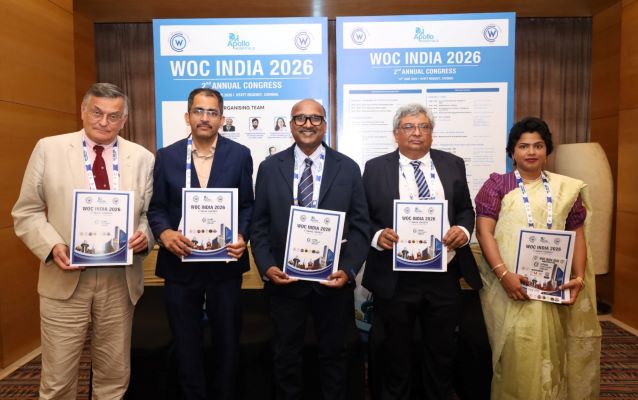
Organised by the India Chapter of the World Orthopaedic Concern (WOC) in association with Apollo Hospitals, the one-day conclave served as a platform for clinicians, surgeons and researchers to exchange ideas on emerging trends in sports medicine, regenerative therapies and athlete recovery.
The scientific programme featured 35 eminent national and international experts who conducted scientific sessions, panel discussions and hands-on workshops, focusing on conditions that commonly affect athletes and active individuals.
From ACL Tears to PRP Therapy
A major attraction of the conclave was the practical workshops that offered participants hands-on exposure to advanced procedures such as ACL and multiligament reconstruction, meniscal repair, distal femoral osteotomy, high tibial osteotomy and Platelet-Rich Plasma (PRP) therapy.
Experts noted that advances in minimally invasive surgery, bioabsorbable implants and biologic treatments are transforming the way sports injuries are managed, enabling patients to recover faster while preserving joints and restoring function.
The sessions also explored innovations in orthobiologics, bone marrow concentrate therapies, cartilage restoration and rehabilitation techniques that are increasingly becoming part of mainstream sports medicine.
India Emerging as a Global Orthopaedic Powerhouse
Addressing the conclave, Dr Arindam Banerjee, President of WOC International and WOC India, said India has evolved from being a consumer of medical knowledge to a global contributor in orthopaedics and sports medicine.
“Indian experts are now training doctors and sharing expertise across the world. With our clinical talent and expanding healthcare infrastructure, India is well positioned as an orthopaedic powerhouse,” he said.
He emphasised that with growing participation in sports and physical activities, specialised expertise and advanced treatment options must become more widely accessible.
“This conclave is designed to foster face-to-face interactions, case-based learning and meaningful discussions that ultimately improve outcomes for athletes and patients alike,” he added.
Sports Injuries No Longer Limited to Elite Athletes
Experts at the conclave pointed out that sports injuries are no longer confined to professional athletes. Increasingly, school children, amateur players and fitness enthusiasts are reporting injuries involving the knee, shoulder, ankle, elbow and hip.
Dr Navaladi Shankar, Senior Consultant Orthopaedic Surgeon at Apollo Hospitals, Chennai, said sports injury management is undergoing rapid transformation due to new evidence, technological advancements and multidisciplinary approaches.
“Knowledge-sharing forums like this help disseminate contemporary practices and refine clinical and surgical skills, ultimately leading to better patient outcomes,” he said.
The conclave examined a broad range of topics, including shoulder and elbow instability, acute spine injuries in sports, ligament reconstruction, arthroplasty, joint preservation and management of elite athletes.
Regenerative Medicine Offers New Hope
According to experts, regenerative medicine is emerging as a game-changer in sports injury care.
Dr Saseendar Shanmugasundaram observed that innovations in MRI technology, orthobiologics and regenerative therapies such as PRP and bone marrow concentrate are improving healing and enabling surgeons to preserve joints even in complex cases.
“These innovations are helping clinicians offer better outcomes and quicker recovery, particularly for young athletes and active individuals,” he said.
Dr Samundeeswari Saseendar highlighted the growing incidence of shoulder injuries in sports such as cricket, badminton, volleyball and swimming.
“Persistent pain, instability or recurrent dislocations should not be ignored. With advances in arthroscopic surgery, biologics and rehabilitation, most athletes can safely return to sports with excellent outcomes,” she said.
Prevention is the Best Medicine
The conclave also underscored the importance of injury prevention.
Dr Vishnu Senthil stressed that many sports injuries can be avoided through proper training, conditioning, load management and adequate recovery.
“As sports participation grows, so do injuries. But early diagnosis and evidence-based treatment help athletes return to play faster and safer,” he said.
With sports and fitness becoming an integral part of modern lifestyles, experts believe that the future of sports medicine will increasingly rely on a combination of technology, regenerative therapies and preventive care—ensuring that athletes, both professional and amateur, stay in the game longer and healthier.