NE HEALTH BUREAU
NEW DELHI, JUNE 27
Paying glowing tributes to the nation’s doctors on the eve of National Doctors’ Day, Union Minister Dr. Jitendra Singh said India’s medical fraternity is not only healing lives but also spearheading a scientific revolution that is transforming the country’s healthcare landscape through precision medicine, genomics, Artificial Intelligence and indigenous innovation.
- On the eve of National Doctors’ Day, Dr. Jitendra Singh salutes the medical fraternity as India accelerates towards personalised, AI-driven and genomics-based healthcare
- Minister says indigenous breakthroughs in gene therapy, nuclear medicine, biotechnology and precision diagnostics are positioning India as a global healthcare innovator
- Genome India Mission’s 10,000-plus genome sequencing project lays the foundation for patient-specific treatments tailored to India’s genetic diversity
- Artificial Intelligence, digital health and multidisciplinary research to redefine diagnosis, disease management and healthcare delivery across urban and rural India
- Calls preventive healthcare the next national mission, urging early detection and scientific innovation to achieve the vision of Viksit Bharat @2047
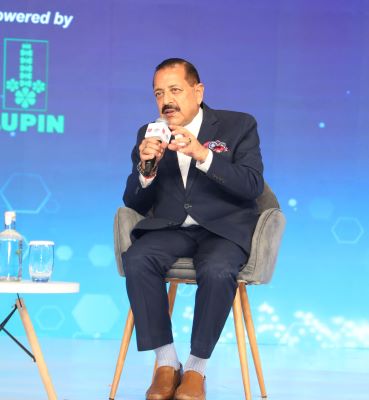
Addressing a special Doctors’ Day Conclave, the noted physician and diabetologist said India is steadily developing homegrown solutions to global health challenges through gene therapy, nuclear medicine and other emerging technologies, positioning the country as a global destination for affordable, patient-centric and next-generation healthcare.
On the eve of #DoctorsDay #FiresideChat
‘Times Now’ Conclave pic.twitter.com/LPjtukkvgH— Dr Jitendra Singh (@DrJitendraSingh) June 27, 2026
“India’s vast genetic diversity, heterogeneous disease profile and rapidly expanding scientific capabilities offer an unprecedented opportunity to develop Indian data for Indian treatment for Indian patients, while contributing affordable and globally relevant healthcare solutions,” Dr. Jitendra Singh said.
Highlighting the future of medicine, he observed that healthcare is entering an era where treatment will increasingly be customised to an individual’s genetic profile, lifestyle and environmental factors.
“Precision medicine and personalised healthcare will redefine the future of medical practice by enabling more accurate diagnosis, targeted therapies and improved patient outcomes,” he said.
Describing India’s extraordinary genetic diversity as one of its greatest scientific assets, the Minister said the country’s unique disease patterns create unparalleled opportunities for biomedical research capable of benefiting not only Indians but patients across the world.
Dr. Jitendra Singh said the Genome India Mission has already completed genome sequencing of more than 10,000 individuals, laying the scientific foundation for one of the world’s largest genomic databases.
“This scientific foundation will accelerate the country’s transition towards precision medicine while strengthening research into genetic disorders, rare diseases and personalised therapies,” he said.
Pointing to recent breakthroughs, the Minister noted that Indian researchers have successfully demonstrated gene therapy for haemophilia, marking a major milestone in indigenous medical innovation.
“Gene medicine and nuclear medicine are emerging as some of the most promising areas of healthcare and will fundamentally transform disease management in the years ahead through highly targeted and patient-specific treatment,” he said.
Emphasising the growing role of technology, Dr. Jitendra Singh said Artificial Intelligence is revolutionising every stage of healthcare—from genome sequencing and biomedical research to diagnosis, medical education and telemedicine.
“AI is significantly reducing the time required to analyse complex medical data while enhancing the quality of clinical decision-making,” he observed, adding that technology-enabled hybrid healthcare models are expanding specialist care to remote regions of the country.
The Minister said India’s scientific ecosystem has gained fresh momentum through the Anusandhan National Research Foundation, which integrates modern science with social sciences, humanities and India’s traditional knowledge systems, creating an innovation ecosystem aligned with national priorities.
He also highlighted recent policy reforms encouraging greater collaboration among government institutions, academia and industry in nuclear medicine, noting that institutions such as the Tata Memorial Centre are pioneering advanced cancer treatment through highly precise nuclear medicine technologies.
Dr. Jitendra Singh said India is witnessing a decisive shift from manufacturing medicines discovered elsewhere to developing new drugs through indigenous research, clinical trials and innovation, citing the successful development of India’s first indigenously researched antibiotics for drug-resistant infections.
He further credited initiatives such as the BioE3 Policy and the Bio-RIDE Mission for accelerating biotechnology research, bio-manufacturing and healthcare innovation while fostering partnerships among research institutions, academia, startups and industry.
Calling preventive healthcare the country’s next major priority, the Minister warned of the growing burden of non-communicable diseases such as diabetes, cancer and fatty liver disease, particularly among younger populations.
“Early detection, regular screening, public awareness and timely intervention will play a decisive role in protecting the health of the country’s youth and achieving the vision of Viksit Bharat @2047,” he said.
Highlighting India’s growing global stature in healthcare, Dr. Jitendra Singh said the country’s achievements in vaccines, genomics, biotechnology, precision medicine and advanced medical research have established it as a trusted provider of affordable, high-quality healthcare solutions for the world.
Expressing confidence in India’s scientific future, he concluded that sustained investment in research, innovation and collaboration among government, academia and industry would firmly establish the country as a global leader in next-generation healthcare.